

Why Jesus Christ Is Seen as the Only God — The First and the Last
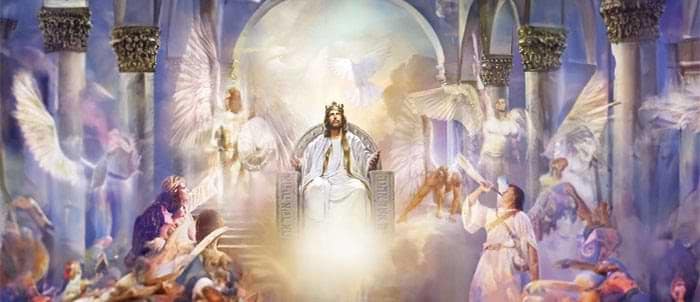
Across centuries of faith, art, and devotion, one figure stands at the center of Christian belief with a presence that feels both intimate and immeasurable. Jesus Christ is not remembered only as a teacher, a healer, or a prophet. He is seen as the One who stands outside time, the One who speaks with the authority of eternity itself. For Christians, He is the First and the Last, the Alpha and the Omega, the God who enters history yet remains beyond it.
This understanding begins with the way Jesus speaks about Himself in the New Testament. His words carry a tone that no ordinary teacher would dare to use. He does not simply point toward truth—He declares Himself to be the truth. He does not merely reveal the way—He claims to be the way. He does not describe life—He says He is life. These are not metaphors to His followers; they are revelations. They suggest a being who is not bound by the limits of creation but is the source of it.
“First and Last” echoes through Scripture like a divine signature. In the Hebrew tradition, this phrase belongs to God alone, the One who existed before all things and will remain after all things fade. When Jesus uses the same language, early Christians understood it as a declaration of identity. He was not claiming a role beside God—He was claiming the very identity of God. The eternal stepping into the temporal. The infinite taking on flesh.
What makes this belief so powerful is the way it blends transcendence with closeness. Jesus is seen as the God who does not remain distant in the heavens but walks among humanity, sharing its hunger, its grief, its joy, and its suffering. He becomes the bridge between the divine and the human, the visible expression of an invisible reality. In Him, Christians see a God who chooses relationship over remoteness, compassion over detachment.
The resurrection becomes the turning point of this understanding. For believers, it is not simply a miracle—it is the moment when Jesus reveals His nature beyond all doubt. Death, the final boundary of human existence, is shown to be powerless before Him. The One who rises is not merely restored to life; He stands as the Lord of life itself. This is why early Christians, many of whom faced persecution, held to their faith with unshakable conviction. They believed they had encountered not just a messenger of God, but God in human form.
Over time, this belief shaped the entire structure of Christian theology. Jesus is worshipped, prayed to, and trusted as the One who holds the universe together. He is the beginning of creation and the fulfillment of its story. He is the voice that calls the world into being and the presence that accompanies every soul through its darkest nights. To call Him the First and the Last is to say that nothing exists outside His reach, and nothing can outlast His love.
For Christians, Jesus is not one god among many, nor a spiritual figure elevated by devotion. He is the center of existence, the heartbeat of creation, the God who reveals Himself through humility, sacrifice, and unending grace. He is the One who was before all things and the One who will remain when all things are made new.
In this vision, Jesus Christ is not simply remembered. He is worshipped as the eternal God who stepped into time, the Alpha and the Omega, the First and the Last—holding the beginning of the world in one hand and its destiny in the other.