

Humanoid Robots Entertaining the Customer Era — A New Stage for the Machines That Look Like Us
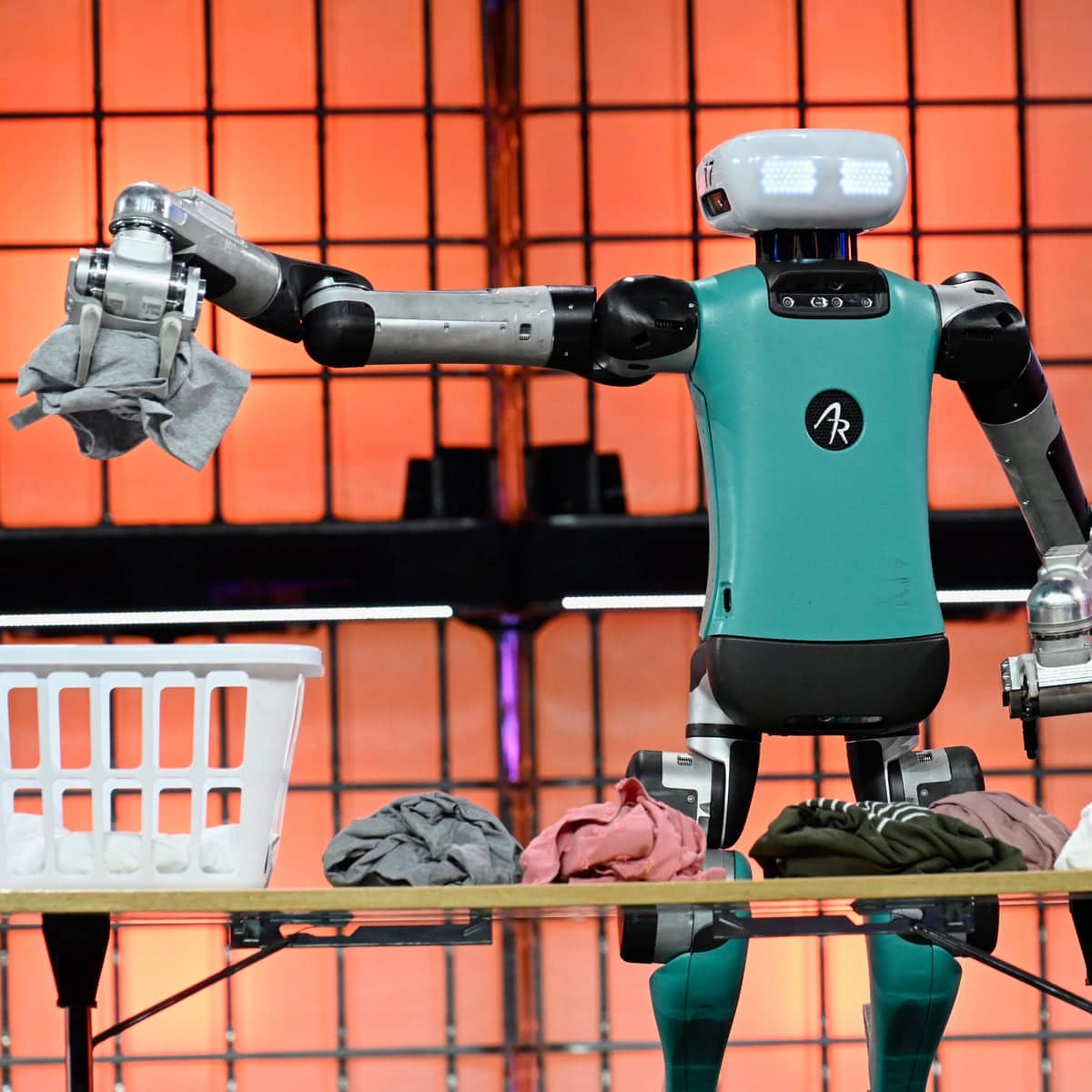
A quiet revolution is unfolding in the places where people gather. In hotel lobbies, shopping centers, airports, theme parks, and even restaurants, a new kind of performer is stepping into the spotlight. They smile without tiring, gesture with perfect timing, and greet every visitor with the same unwavering enthusiasm. Humanoid robots—once the stuff of science‑fiction dreams—are becoming the entertainers of the customer era, reshaping how businesses captivate, welcome, and delight the public.
Their rise is not accidental. It is the result of a world hungry for novelty, efficiency, and emotional connection. As technology becomes more human‑shaped, companies are discovering that robots can do more than automate tasks—they can create experiences. A robot that dances, tells stories, answers questions, or guides visitors through a space becomes more than a machine. It becomes a character, a presence, a moment of wonder in an otherwise predictable day.
In retail, humanoid robots glide through aisles with the grace of digital hosts, offering product suggestions, demonstrating features, and turning shopping into a performance. Children follow them with wide‑eyed fascination. Adults pause, curious and amused. The robot becomes a magnet, drawing attention not through marketing slogans but through movement, personality, and charm.
In hospitality, robots greet guests with a warmth that never fades. They check people in, carry luggage, and offer recommendations with a voice designed to soothe. Their presence transforms the lobby into a stage where technology and service blend seamlessly. Travelers who arrive exhausted find themselves smiling at a machine that feels strangely welcoming.
Theme parks and entertainment venues have taken the idea even further. Humanoid robots perform choreographed shows, interact with crowds, and bring fictional worlds to life with precision no human actor could sustain for hours on end. They blur the line between performer and attraction, becoming part of the narrative fabric of the experience.
What makes this moment so compelling is not just the technology, but the psychology behind it. Humans are drawn to faces, gestures, and voices that resemble their own. A humanoid robot taps into that instinct, offering familiarity wrapped in novelty. It feels approachable yet extraordinary, predictable yet surprising. Businesses have realized that this emotional resonance can transform customer engagement from a transaction into a memory.
Yet the rise of humanoid entertainers also raises deeper questions. What does it mean when machines become part of our social spaces? How do we respond when a robot makes us laugh, comforts us, or guides us through a moment of confusion? The answers are still unfolding, shaped by culture, design, and the evolving relationship between humans and the technologies that mirror us.
What is clear is that humanoid robots are no longer background tools. They are stepping into the foreground, becoming storytellers, guides, performers, and companions in the customer‑experience era. They are redefining what it means to be entertained, welcomed, and served.
The stage is set, the lights are on, and the audience is ready. The future of customer engagement is arriving—not on wheels or screens, but on two legs, with expressive faces and voices crafted to make us feel something. The age of humanoid entertainment has begun, and it is transforming the everyday into something extraordinary.