

Proprietary Technology Gaining Importance in Competitive Industries — The New Architecture of Corporate Power
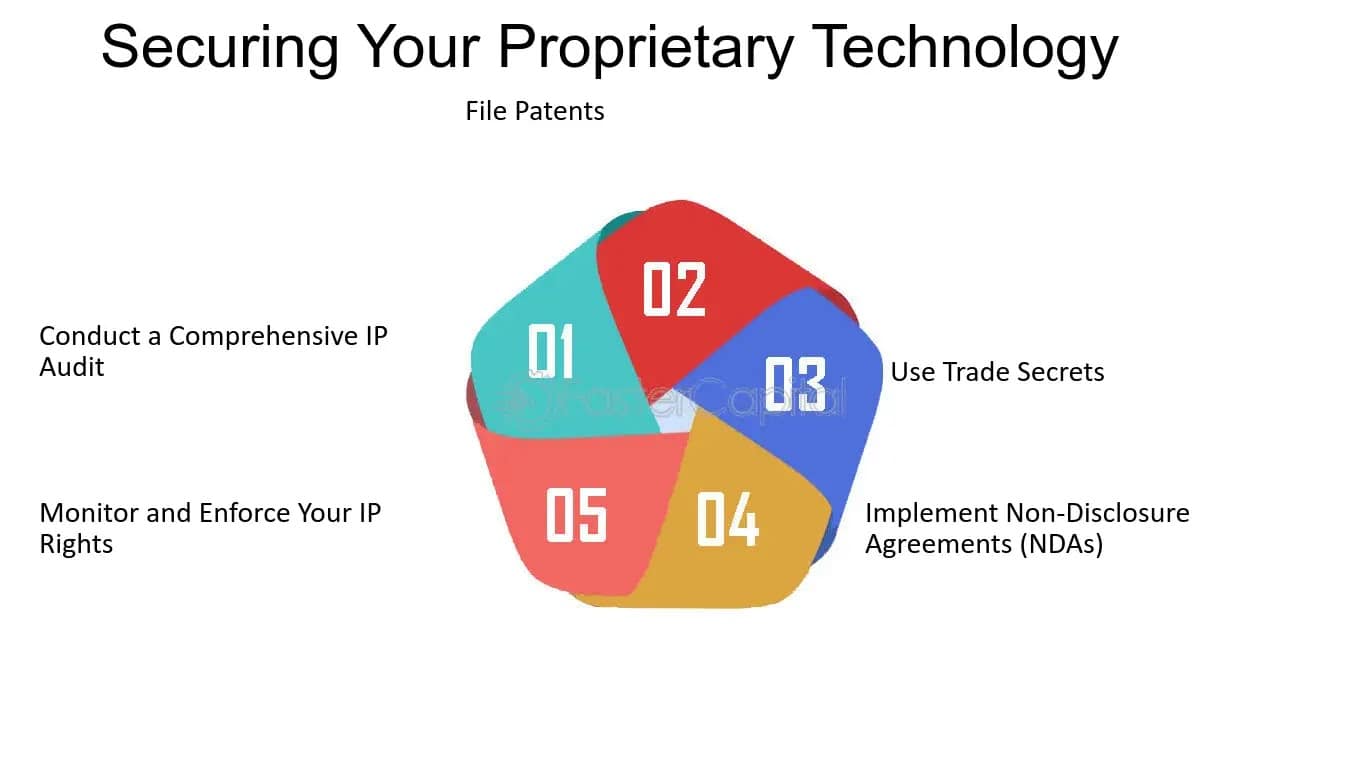
In the quiet machinery of modern business, a new kind of advantage is taking shape—one that cannot be copied, licensed, or reverse‑engineered without consequence. Across sectors as different as manufacturing, finance, logistics, retail, and biotechnology, companies are tightening their grip on proprietary tools, patented systems, and exclusive software. What once felt like a technical detail has become the backbone of competitive strategy. The future is being built not just on products, but on the invisible engines that power them.
The shift began when industries realized that traditional advantages—scale, brand recognition, distribution—were no longer enough. Competitors could replicate features, undercut prices, or flood the market with alternatives. But proprietary technology offered something different: a moat that deepened with every use. A patented algorithm, a custom supply‑chain platform, a unique data‑processing engine—these became assets that could not be easily imitated. They turned companies into ecosystems, each with its own internal logic and protected architecture.
In the tech sector, this transformation is most visible. Cloud giants run on software stacks that only they can access. Social platforms rely on recommendation engines refined through billions of interactions. Semiconductor companies guard their chip designs like state secrets. Every line of code becomes a strategic decision, every patent a shield. The companies that dominate today do so not because they move fast, but because they build systems that others cannot enter.
But the rise of proprietary technology is not limited to Silicon Valley. Retailers are developing exclusive logistics algorithms that predict demand with uncanny accuracy. Automotive companies are embedding custom operating systems into electric vehicles, turning cars into rolling software platforms. Pharmaceutical firms are building AI‑driven discovery engines that accelerate research in ways competitors cannot match. Even agriculture is being reshaped by proprietary seed genetics and precision‑farming tools that lock entire supply chains into closed technological loops.
What makes this moment so striking is the way these technologies reshape competition itself. Companies no longer fight only for market share—they fight for control over the underlying systems that define the market. A firm with exclusive software can set the pace of innovation. A company with patented processes can dictate the terms of production. A business with proprietary data can see the future before others even recognize the pattern. The battlefield shifts from the visible to the hidden, from the product to the infrastructure.
Yet this rise of exclusivity carries its own tension. Proprietary technology creates power, but it also creates dependency. Customers become tied to platforms they cannot leave. Partners must adapt to systems they cannot modify. Competitors face barriers that feel insurmountable. The result is a landscape where innovation accelerates, but access narrows. The companies that thrive are those that can build not just tools, but entire technological worlds.
Still, the momentum is undeniable. In an era defined by speed, complexity, and global competition, proprietary technology offers something rare: control. It allows companies to shape their destiny, to protect their innovations, to build advantages that deepen with time. It is the new currency of ambition, the quiet force behind the industries that are rewriting the rules of the modern economy.
The future belongs to those who build what only they can use—and what everyone else must eventually depend on.