

When the Body Remembers: The Silent Impact of Chronic Stress on Physical Health
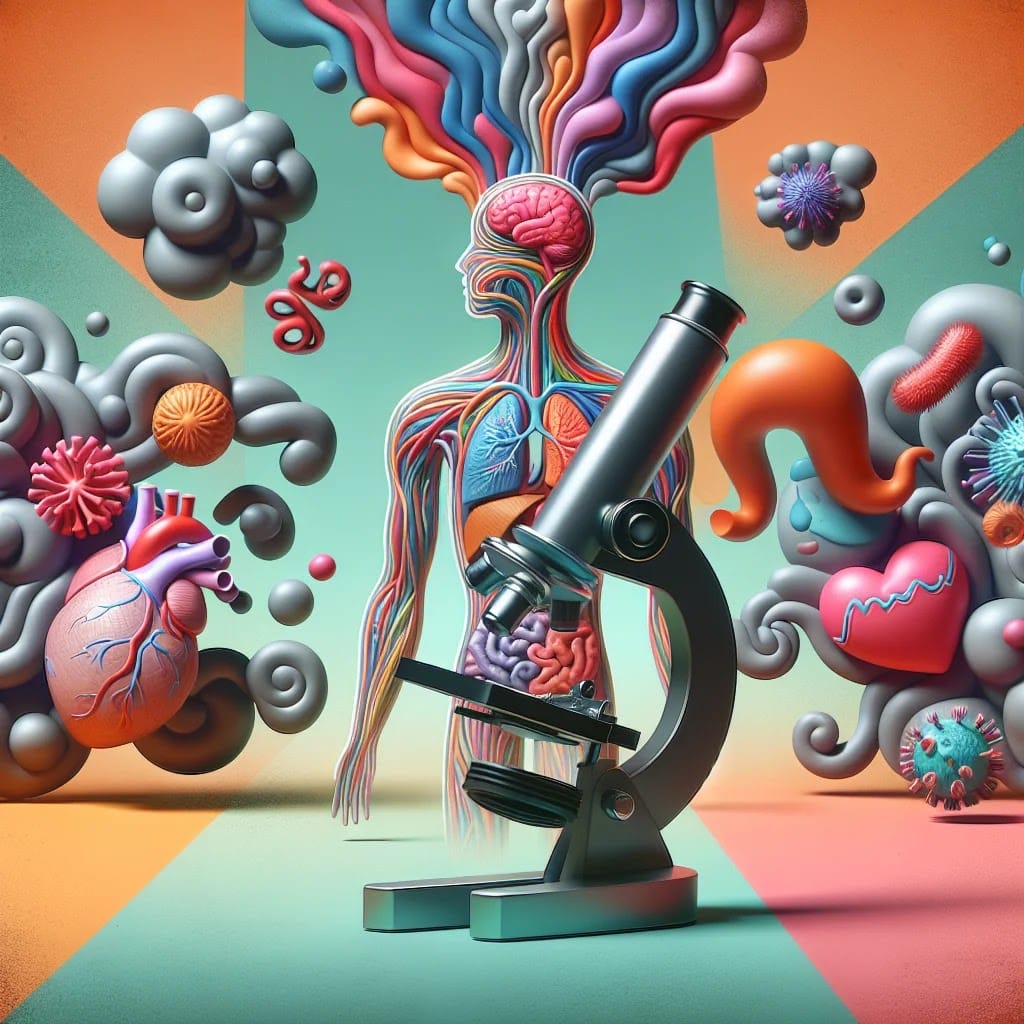
There are moments when the body speaks long before the mind is ready to understand. A shoulder that refuses to soften. A jaw that wakes already clenched. A stomach that twists at the slightest worry. We often treat these sensations as inconveniences, as quirks of biology, as things to push through. But the truth is quieter and far more human: the body remembers what the mind tries to outrun.
Chronic stress doesn’t arrive with fanfare. It settles in slowly, almost politely, asking for nothing while taking up more and more space. At first it feels like tension — a tightness in the neck after a long day, a restless night here and there. But over time, the body begins to shape itself around the pressure. Muscles stay contracted long after the danger has passed, as if they no longer trust the world enough to let go. Breathing becomes shallow. The heart beats a little faster than it needs to. The nervous system stays half‑awake, even in the dark.
Digestion is often the first storyteller. When the mind is overwhelmed, the gut becomes unsettled, as if it’s trying to process emotions the brain refuses to name. Meals sit heavy. Hunger disappears. Or arrives too intensely. The body whispers, something is not right, but we rarely pause long enough to hear it.
Sleep fractures next. Not dramatically — not at first. It begins with a night of tossing, a dream that feels too vivid, a morning that arrives too early. Over time, rest becomes a negotiation. The body lies down, but the mind stays standing. Thoughts pace. Worries echo. The night becomes a place where the weight we carry finally has room to speak.
What makes chronic stress so insidious is its subtlety. It doesn’t shout. It reshapes. It teaches the body to live in a state of quiet emergency, even when life appears calm on the surface. And because the change is gradual, we often don’t realize how heavy the burden has become until something inside us finally says enough.
But the body is not only a witness to stress — it is also a guide toward healing. Symptoms, as frustrating as they are, are messages. They are the body’s way of saying, I’ve been holding this for too long. When we begin to listen — truly listen — something shifts. Muscles soften. Breathing deepens. The nervous system, so accustomed to vigilance, begins to trust again.
Healing doesn’t happen all at once. It begins in small, almost invisible moments: a breath taken fully, a night of uninterrupted sleep, a meal eaten without rushing, a walk that feels grounding instead of obligatory. It begins when we stop treating the body as a machine and start recognizing it as a storyteller — one that has been trying to speak for years.
Chronic stress is not just a psychological experience. It is a physical one, woven into tissue, breath, posture, and rhythm. And when the body remembers, it is not to punish us. It is to remind us that we are human — fragile, resilient, and deserving of care. The path forward begins not with force, but with attention. With gentleness. With the simple, radical act of listening to what the body has been trying to say all along.
Editorial Disclaimer
This article explores general concepts related to stress and its physical impact. It is intended for informational and editorial purposes only and should not be taken as medical advice, diagnosis, or a substitute for professional care. Readers experiencing persistent physical or emotional symptoms should consult qualified healthcare professionals for personalized support.