

The Slow Medicine of Daily Movement: Rediscovering the Body Through Small Rituals
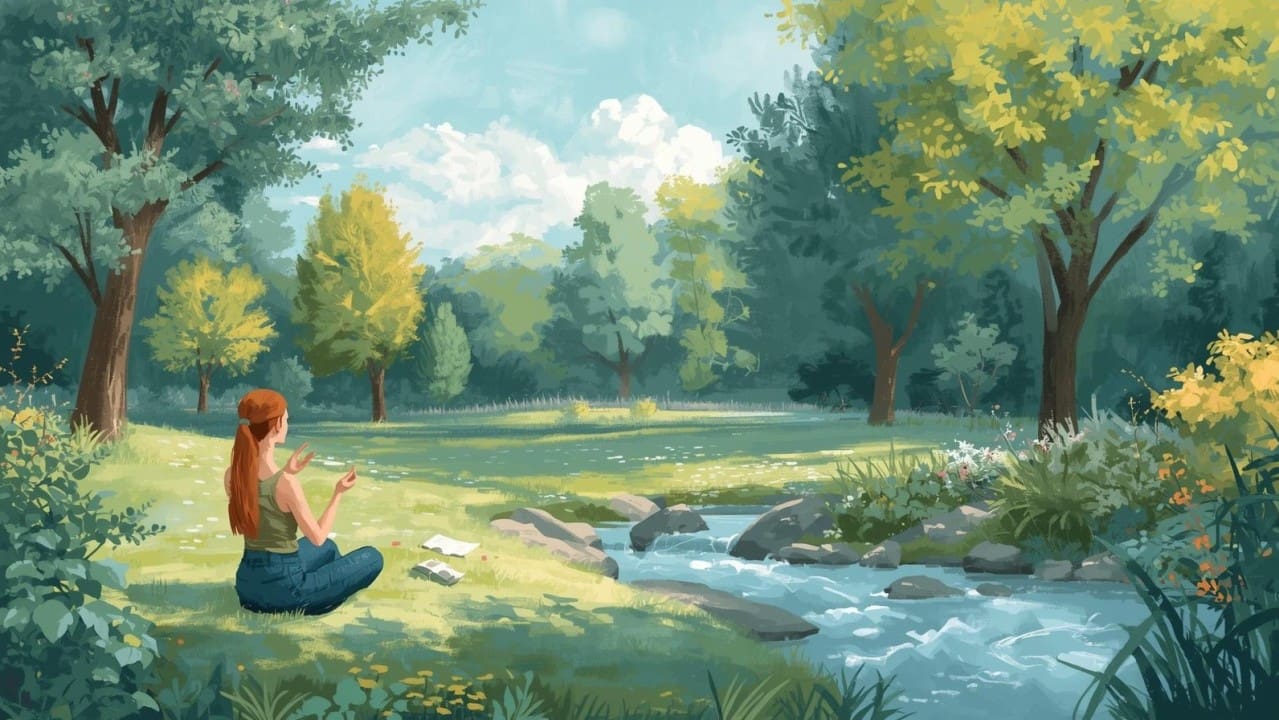
There is a kind of movement the modern world has almost forgotten. Not the kind measured in steps, calories, or performance goals, but the softer kind — the kind that asks nothing of you except presence. A walk taken without urgency. A stretch that feels like opening a window inside the body. A breath that loosens something you didn’t realize had been tight for years. This is the slow medicine of daily movement, and it has nothing to do with fitness. It is the art of coming back to yourself through small rituals that ask only for consistency, not discipline.
We often think of physical health as something built in gyms, through effort and intensity. But the body has its own language, and it speaks most clearly in the quiet moments. When you wake and roll your shoulders gently before standing. When you pause in the middle of the day to breathe deeply enough that your ribs expand. When you walk not to achieve anything, but to feel the ground beneath your feet. These gestures seem insignificant, almost too small to matter. Yet they are the ones that slowly re‑teach the body how to trust itself.
A walk can become a grounding ritual — a way of reminding the nervous system that the world is still here, that your feet still know how to carry you, that movement can be a form of comfort rather than effort. Stretching can feel like returning home, especially when done without expectation. The body softens when it realizes it is not being pushed. It opens when it feels safe. And breath — the simplest movement of all — becomes a quiet medicine when allowed to deepen, slow, and settle.
These small rituals are not about changing the body. They are about listening to it. They are about noticing the places that feel stiff, the rhythms that feel rushed, the parts of you that have been holding tension for so long they’ve forgotten how to let go. When movement becomes gentle, it becomes a conversation. The body speaks, and for once, we hear it.
The beauty of slow movement is that it fits into the cracks of everyday life. You don’t need equipment, or time blocks, or a plan. You need only a willingness to pause. To stretch your arms overhead when you’ve been sitting too long. To take a short walk when your thoughts feel tangled. To breathe deeply when your chest feels tight. These gestures accumulate quietly, like drops of water shaping stone. Over time, they change the way you inhabit yourself.
Physical health, in this sense, is not a destination. It is a relationship — one built through small, consistent acts of care. The body responds to gentleness. It remembers softness. It heals in the presence of attention. And when movement becomes a ritual rather than a task, something shifts. You begin to feel more rooted, more aware, more alive in your own skin.
The slow medicine of daily movement is not about becoming stronger or faster. It is about becoming present. It is about rediscovering the simple truth that the body is not a machine to be optimized, but a companion to be tended to — patiently, lovingly, one small gesture at a time.
Editorial Disclaimer
This article explores general ideas about movement and well‑being. It is intended for informational and editorial purposes only and should not be taken as medical advice, diagnosis, or a substitute for professional care. Readers with health concerns or physical limitations should consult qualified healthcare professionals for personalized guidance.