
When Announcements Aren’t Enough: Europe Moves Forward With Its Emergency Summit
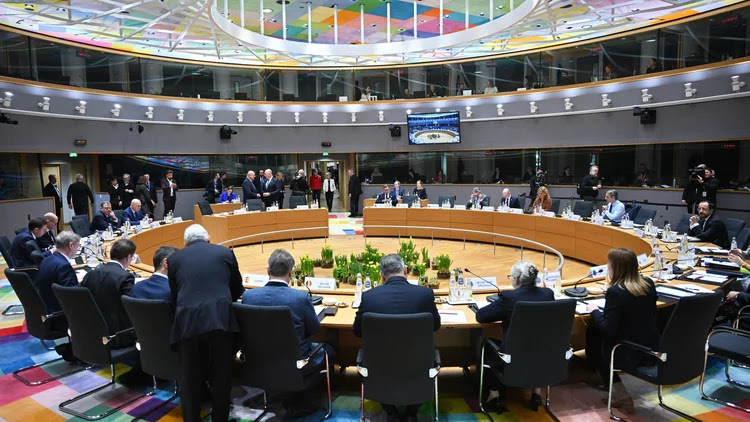
In Brussels, the decision was made quietly but firmly: the emergency EU summit would go ahead, deal or no deal. Sky News reported it as a parallel development, but in truth it was something deeper — a reminder that Europe has learned not to mistake an announcement for an outcome. The continent has been jolted too many times by sudden reversals, tariff threats, and geopolitical improvisations to take any declaration at face value. Tonight, the leaders meet because uncertainty itself has become the new constant.
Inside the Council building, the mood is steady, almost solemn. The Greenland crisis — once dismissed as an eccentric episode — has revealed something uncomfortable about the balance of power across the Atlantic. Europe is no longer reacting to policy; it is reacting to volatility. Trump’s claim of a breakthrough may have paused the immediate threat of tariffs, but it did not erase the deeper question: What does it mean to be an ally in a world where alliances can shift with a single sentence?
The summit is not a confrontation. It is a recalibration. Leaders are not gathering to challenge Washington, but to understand how to navigate a landscape where the ground keeps moving. The “ultimate deal” may come, or it may dissolve by morning. Europe cannot afford to wait for clarity that may never arrive.
Outside, Brussels carries its usual winter hush — the soft glow of streetlights, the quiet hum of journalists refreshing their screens, the sense that something important is happening behind doors that will not open until long after midnight. Inside, the conversation is not just about Greenland. It is about autonomy, resilience, and the uncomfortable realization that Europe must learn to stand more firmly on its own feet.
Trump’s announcement changed the tone.
Europe’s decision to meet anyway changed the meaning