

What’s the “pain of paying” and how does it shape our spending habits?
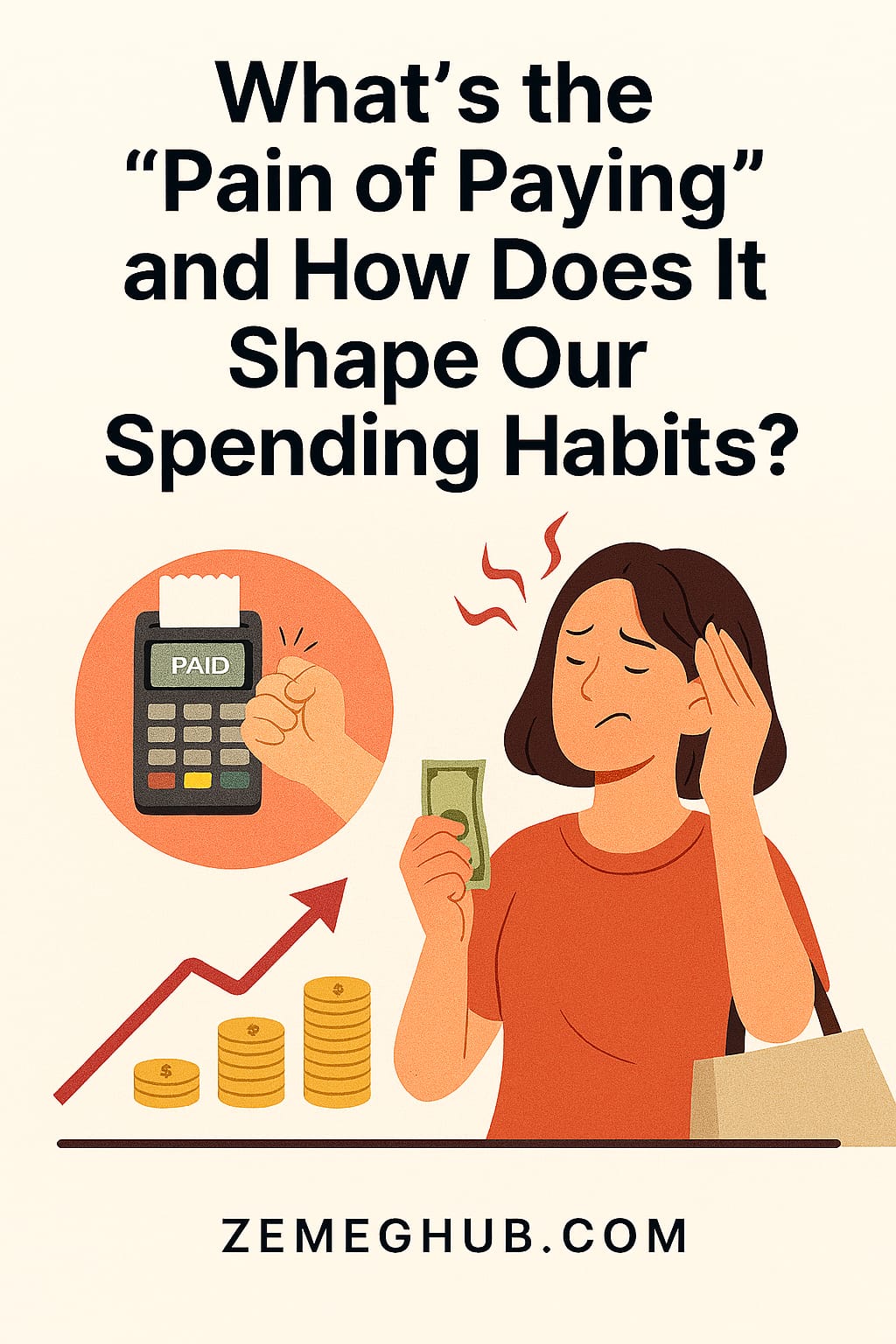
The “pain of paying” is the emotional discomfort we feel when parting with money, and it powerfully shapes our spending habits by making us more cautious with cash and more impulsive with cards or digital payments.
Imagine standing at a market stall in Rome. You reach into your wallet and pull out a crisp eur 50 note. As you hand it over, you feel a tiny sting—not physical, but psychological. That moment of hesitation, that flicker of regret, is what behavioral economists call the “pain of paying.”
It’s not just a metaphor. Brain scans show that spending money—especially in tangible forms like cash—activates the same regions associated with physical pain and disgust. We’re wired to avoid loss, and handing over money feels like losing something valuable. This emotional response influences how, when, and how much we spend.
Now contrast that with tapping a credit card or clicking “Buy Now” online. There’s no physical exchange, no visible depletion of funds. The pain is muted, sometimes absent. That’s why people tend to spend more with cards than with cash—the emotional barrier is lower.
This concept was first explored in the 1990s by researchers like Ofer Zellermayer and George Loewenstein, and it’s become a cornerstone of behavioral economics. It explains why payment methods matter. The more abstract the transaction, the less pain we feel—and the more likely we are to overspend.
For example:
-
Cash payments are the most painful. You see the money leave your hand. You feel the loss.
-
Credit cards separate the purchase from the payment. You get the item now, but the bill comes later.
-
Mobile payments and subscriptions are even more detached. You might not even remember you’re spending.
Retailers know this. That’s why stores push contactless payments, one-click checkouts, and monthly billing. These methods reduce friction—and reduce the pain.
But the pain of paying isn’t always bad. It can be a built-in budgeting tool. People who use cash tend to spend less, tip less, and think more carefully about purchases. The pain acts as a brake, slowing down impulsive decisions.
On the flip side, some people try to avoid the pain by prepaying for experiences—like vacations or concerts—so they can enjoy them later without guilt. Others use budgeting apps to simulate the pain, tracking every euro spent to stay mindful.
Ultimately, the pain of paying is a reminder that money isn’t just math—it’s emotion. And by understanding how it works, we can make smarter choices, resist impulse buys, and build habits that align with our goals.