

Toronto’s Smart City Dream: A Cautionary Tale of Tech and Trust
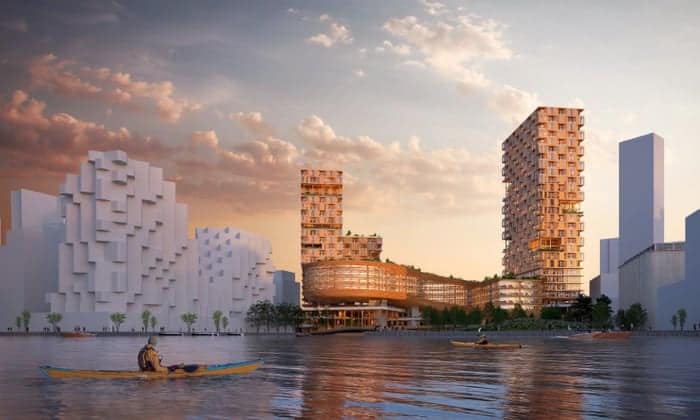
Urban innovation often dazzles with promise—but not every bright idea survives the spotlight. One of the most striking examples is Toronto’s Sidewalk Labs project, a futuristic smart city vision that collapsed under its own ambition
In 2017, Sidewalk Labs—a subsidiary of Alphabet, Google’s parent company—unveiled plans to transform a 12-acre stretch of Toronto’s waterfront into a hyperconnected urban utopia. The vision was bold: sensor-laced streets, automated waste systems, modular buildings, and data-driven everything. It was to be a city “built from the Internet up,” where technology would optimize every aspect of urban life—from traffic flow to energy use to public space design.
But as the plans grew more ambitious, so did public concern.
The Glow of Innovation Meets the Shadow of Surveillance
What began as excitement quickly turned into scrutiny. Citizens, privacy advocates, and urban planners raised alarms about the sheer volume of data Sidewalk Labs intended to collect. Who would own it? How would it be used? Could a private tech company be trusted to govern public space?
Despite attempts to reassure the public—through data trusts, transparency pledges, and community consultations—the backlash intensified. Critics argued that the project blurred the line between civic infrastructure and corporate experimentation. The dream of a smart city began to look like a surveillance city.
Collapse and Reflection
By May 2020, Sidewalk Labs pulled the plug. Officially, the pandemic was cited as a factor. But insiders and analysts pointed to deeper issues: lack of public trust, governance ambiguity, and a mismatch between tech ambition and civic reality.
The Toronto waterfront remains undeveloped by Sidewalk Labs. But the project left behind a legacy—not of smart sensors and modular buildings, but of hard-earned lessons about transparency, ethics, and the limits of tech-driven urbanism.