
The Park That Wasn’t: New York’s Lowline and the Limits of Underground Dreams
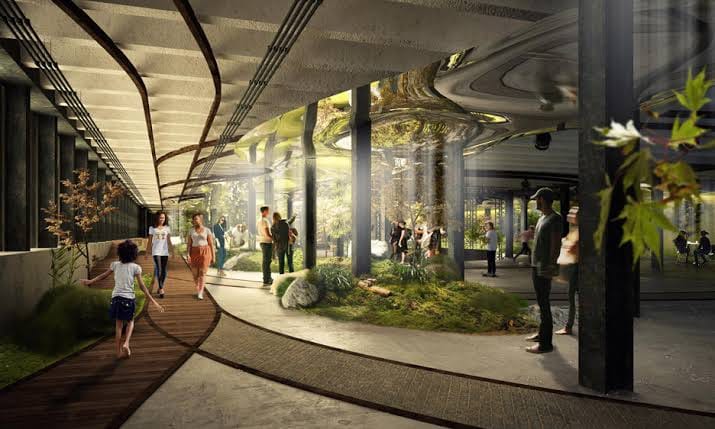
Beneath the bustling streets of Manhattan’s Lower East Side lies a forgotten trolley terminal—dark, cavernous, and dormant since 1948. In 2011, two visionaries saw not decay, but potential. They imagined the world’s first underground park: the Lowline. A place where sunlight would be piped in through fiber-optic cables, nourishing plants and illuminating public space below the city’s surface. It was a radical reimagining of urban life—where even the shadows could bloom.
A Garden Beneath the Pavement
The Lowline wasn’t just a park. It was a statement. In a city where space is scarce and green areas are unevenly distributed, the idea of reclaiming underground infrastructure for public good felt revolutionary. The founders launched a Kickstarter campaign, raised over $150,000, and built a prototype lab to test their solar technology. Visitors walked through a simulated underground garden, bathed in redirected sunlight. The dream felt tangible.
But dreams, like plants, need more than light.
The Weight of Reality
Despite public enthusiasm and media acclaim, the Lowline struggled to secure long-term funding. The technology worked—but scaling it to a full park required millions. City officials were intrigued but cautious. Real estate pressures mounted. And as years passed, the momentum waned. In 2020, the project was quietly shelved. The underground terminal remains untouched, its potential still buried.
What Remains
The Lowline didn’t fail—it revealed. It showed how urban innovation isn’t just about engineering; it’s about politics, funding, and public will. It asked a question that still lingers: What if cities could grow downward, not just upward?