

When Your Mind Won’t Slow Down and Sleep Becomes a Struggle
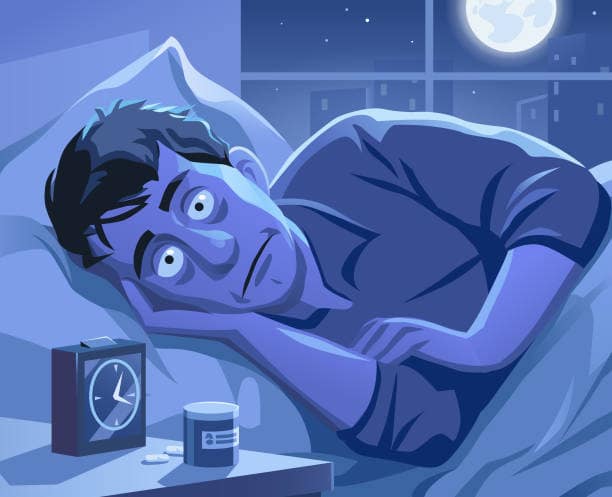
There are nights when your body feels exhausted, yet your mind refuses to rest. You lie in bed hoping sleep will arrive naturally, but instead your thoughts begin to race. Moments from the past replay themselves, unfinished conversations resurface, and worries about the future quietly take over. This experience is far more common than most people realize, and it affects individuals of all ages and lifestyles.
Sleeping poorly is not just about feeling tired the next day. Over time, lack of quality sleep can affect mood, concentration, and emotional balance. Small problems start to feel overwhelming, patience wears thin, and daily stress becomes harder to manage. Many people brush it off as “just stress,” but when restless nights become frequent, it’s often a sign that something deeper needs attention.
The human mind is not designed to stay under constant pressure. Throughout the day we absorb information, emotions, and responsibilities without giving ourselves enough space to process them. At night, when everything finally slows down, the mind takes that opportunity to speak up. This doesn’t mean something is wrong with you. It simply means your mind hasn’t had the chance to rest.
Understanding what’s happening is often the first step toward improvement. Learning how stress, anxiety, and daily habits affect sleep can completely change the way we approach rest. Even small, conscious changes made consistently can lead to noticeable improvements over time. The goal is not perfection, but balance.
In recent years, more people have started searching for clear and practical information about insomnia and sleep difficulties. As a result, some digital books focused on sleep health have become among the most read in their category. These resources are usually chosen not because they promise quick fixes, but because they explain why sleep problems occur and how to address them in a realistic and sustainable way. For those who want to understand insomnia better and explore practical strategies that fit into everyday life, this digital book is often mentioned as one of the most appreciated options by readers seeking clarity and guidance:
👉 https://www.amazon.com/dp/B0D36WLGNT�
Alongside sleep issues, another common challenge many people face is a mind that never seems to switch off. Overthinking goes beyond simply thinking too much. It’s a cycle where thoughts repeat, doubts multiply, and the brain continuously analyzes situations without reaching rest. This mental pattern can increase anxiety and make relaxation especially difficult at night.
Interest in understanding overthinking has grown significantly, and some digital books on the topic have become particularly popular for their clear and approachable explanations. These books are often chosen by people who recognize themselves in constant mental noise and are looking for ways to regain clarity and emotional balance. Rather than offering abstract theories, the most appreciated resources focus on practical tools that can be applied in daily life. Among the titles frequently explored by readers interested in calming the mind and reducing mental overload, this one stands out as a commonly chosen reference:
👉 https://www.amazon.com/dp/B0DL4N7FZF�
Of course, there is no single solution that works for everyone. Each person’s experience with sleep and mental rest is different, shaped by personal habits, stress levels, and life circumstances. Still, knowing that there are resources already explored and valued by many others can be reassuring and helpful when deciding where to start.
Sometimes the first step isn’t changing everything at once, but simply understanding what you’re going through and allowing yourself the space to improve, gradually and at your own pace.