
When the Border Breathes Unease: Life Along America’s Most Watched Line
Along the U.S.–Mexico border, a quiet unease has settled into daily life, revealing how even the smallest disruptions can reshape the rhythm of communities that have long learned to live between two worlds.
The border has always been a place where stories gather — some whispered, some shouted, all shaped by the tension between two worlds pressed tightly against each other. But in recent weeks, the atmosphere along the U.S.–Mexico line has shifted in a way that even longtime residents can feel in their bones. It isn’t a single event that changed the rhythm of daily life, but a slow accumulation of moments that have made the familiar seem suddenly fragile.
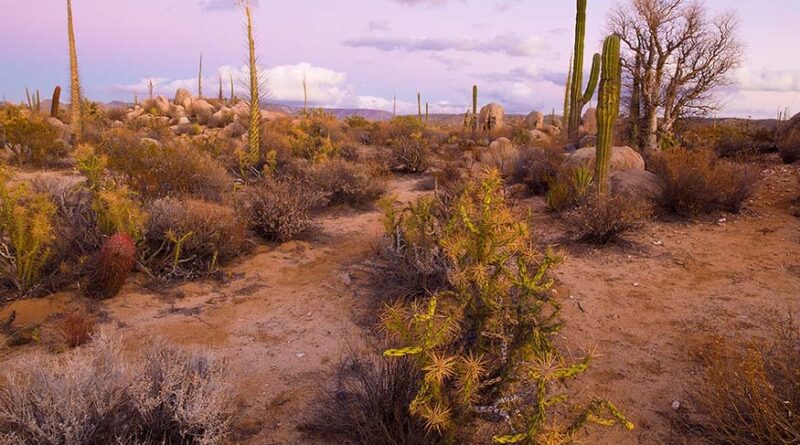
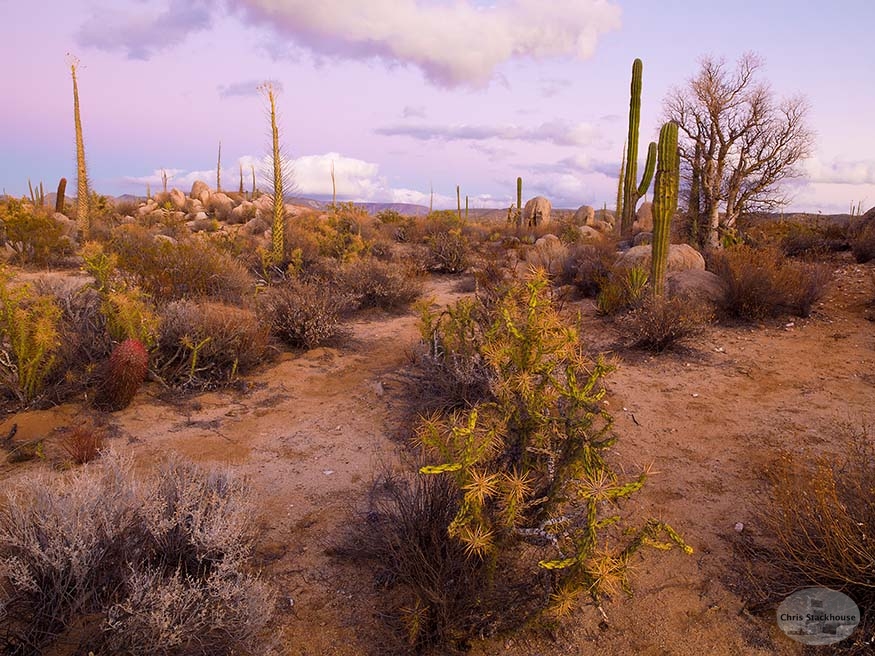
In towns like El Paso, Nogales, and McAllen, people speak of a new kind of vigilance. It’s not the loud, political kind that fills television studios, but a quieter awareness that settles into the routines of those who live closest to the border. Ranchers who once walked their land at dusk now pause a little longer before stepping outside. Shopkeepers glance toward the horizon when a helicopter passes overhead. Even the desert, usually indifferent to human anxieties, seems to hold its breath.
The recent drone incident at the El Paso airport — brief, unexplained, and unsettling — became a symbol of this shift. Officials still don’t know whether the device belonged to a cartel, a hobbyist, or something in between, but the uncertainty itself was enough to stir old fears. For residents, it wasn’t the drone that mattered as much as what it represented: the sense that unseen forces were moving just beyond the edge of the ordinary.
Yet the border is not defined only by tension. It is also a place of resilience, shaped by people who have learned to navigate complexity with a kind of quiet grace. Families cross daily for work, school, or groceries. Markets hum with life. Cafés fill with conversations in two languages that blend into a single melody. Even as national debates flare and fade, the communities here continue to build their own rhythm — one that refuses to be reduced to headlines or political slogans.
Still, the unease lingers. Border Patrol agents speak of patterns that don’t fit the usual cycles. Local sheriffs mention unfamiliar vehicles spotted on remote roads. Residents share stories that begin with “I’m not sure what I saw, but…” and end with a silence that says more than the words ever could. It’s not panic — far from it — but a collective awareness that something is shifting, even if no one can yet name what it is.
In Washington, the border is a talking point. In the borderlands, it is a lived reality. And that difference shapes everything. While lawmakers debate policies and strategies, the people who wake up each morning within sight of the fence simply adapt, as they always have. They lock their doors a little earlier. They check the news a little more often. They watch the sky.
What remains constant is the resilience of the communities that call this region home. They have weathered political storms, economic shifts, and moments of genuine danger. They know that the border is not a line of division but a place of connection — a space where cultures meet, families intertwine, and life unfolds in ways that defy simple narratives.
But they also know that vigilance is part of the landscape now. The drone incident may fade from national memory, but here, it becomes part of the story — another reminder that the border is a living, breathing place where uncertainty and hope coexist in equal measure.