
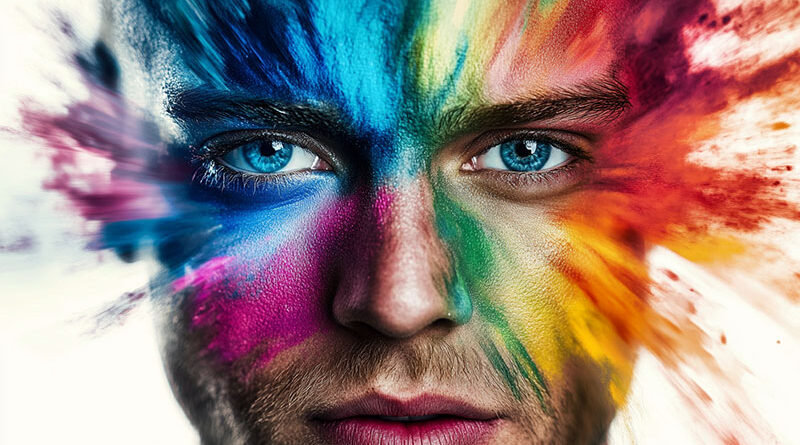
The Psychology of Color: How Shades Shape Mood, Presence, and Identity

There is a moment, quiet and almost invisible, when color stops being something we see and becomes something we feel. A muted tone that softens the edges of a day. A bold hue that steadies the breath. A shade that feels so deeply ours that it becomes a kind of signature — not chosen, but recognized. Color is never just visual. It is emotional architecture.
We often talk about palettes as if they were technical choices, but the truth is far more intimate. Color is memory. Color is mood. Color is the atmosphere we carry around ourselves like a second skin. When we reach for a garment in the morning, we are not simply choosing what to wear; we are choosing how to exist in the world for that day.
A soft beige or dusty rose can quiet the mind, creating a sense of calm that lingers long after the outfit is forgotten. These tones don’t ask for attention; they create space. They allow the body to settle, the breath to deepen, the presence to soften. They are the colors of gentleness — not weakness, but a kind of internal clarity.
Then there are the bold hues: the deep reds, the electric blues, the saturated greens that feel like declarations. They anchor a moment. They give shape to a mood that might otherwise dissolve. Wearing a strong color is not about being loud; it is about being grounded. It is a way of saying, “This is who I am today,” with a confidence that doesn’t need to shout.
And somewhere in between lies the spectrum of personal identity — the shades we return to again and again without knowing why. The colors that feel like home. For some, it is the quiet elegance of black, a color that absorbs everything and reveals nothing. For others, it is the warmth of earth tones, the serenity of blues, the optimism of yellows. These choices are not random. They are emotional fingerprints.
Color becomes a language we speak without words. A way of shaping presence. A way of telling the world how we feel, or how we want to feel. A way of aligning the inner landscape with the outer one.
In this sense, getting dressed becomes a daily act of emotional storytelling. Not performance — expression. Not strategy — intuition. The psychology of color is not about rules or palettes; it is about the quiet dialogue between the self and the shades that surround it. It is about understanding that what we wear is not decoration, but extension.
Color shapes us because it reflects us.
And in choosing it, we choose ourselves.