
The New Intimacy of Live Performances: Why Small Venues Are Becoming the Heart of Modern Entertainment

There is a kind of magic that only happens when the distance between artist and audience disappears. Not the spectacle of stadium lights or the thunder of a crowd, but something quieter — the breath of a singer just a few meters away, the soft creak of a wooden stage, the way a single note can fill a room small enough for everyone to feel it at the same time. In an era obsessed with scale, speed, and digital reach, the world is rediscovering the power of proximity.
For years, entertainment grew bigger. Louder. More elaborate. Concerts became productions, performances became spectacles, and artists became distant figures elevated above the masses. Screens multiplied, pyrotechnics intensified, and the experience became something to witness rather than something to feel. But beneath all that noise, a quiet longing remained — a desire for something more human, more tactile, more immediate.
And now, that longing is shaping a new movement.
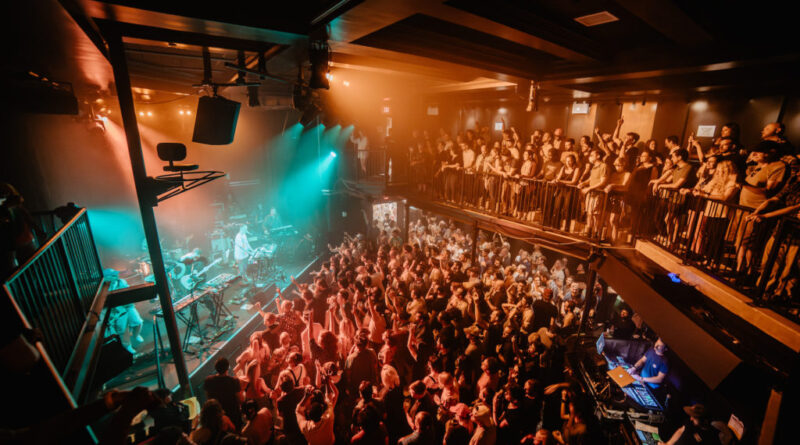
Small venues are returning as the emotional heart of modern entertainment. Intimate concerts, tiny theaters, living‑room‑sized stages — these spaces offer something that grand arenas cannot: presence. The kind of presence where you can hear the tremble in a voice, the slight hesitation before a chord, the rawness of imperfection that makes a performance feel alive. In these rooms, the artist is not a distant icon but a person. And the audience is not a crowd but a community.
There is a shared silence before a note begins that feels almost sacred. A collective breath held in anticipation. A moment where everyone — performer and listener — stands on the same threshold. When the music starts, it doesn’t wash over thousands; it moves through dozens. It becomes a conversation rather than a broadcast.
This intimacy changes the way we listen. It slows us down. It invites us to notice the details that get lost in the spectacle: the texture of a voice, the vulnerability of a lyric, the way a musician closes their eyes when they reach for a difficult phrase. Imperfection becomes part of the beauty. The cracks in the performance become openings for connection.
And perhaps that is why these small spaces feel so vital now. In a world where so much of our entertainment is mediated through screens — compressed, edited, optimized — the unfiltered presence of a live performance feels like a return to something essential. It reminds us that art is not just consumed; it is shared. It is lived in real time, with real people, in rooms where the air vibrates with sound and emotion.
The new intimacy of live performances is not nostalgia. It is a recalibration. A recognition that the future of entertainment may not lie in becoming bigger, but in becoming closer. More human. More honest.
In these small venues, something rare happens:
the artist and the audience meet in the same emotional space.
And for a moment, the world feels beautifully, unmistakably alive.