

The Electric Grid of Tomorrow: How Mobility and Energy Will Merge Into a Single Living System
The electric grid of tomorrow emerges as a living system where mobility and energy flow together in a seamless, intelligent rhythm.
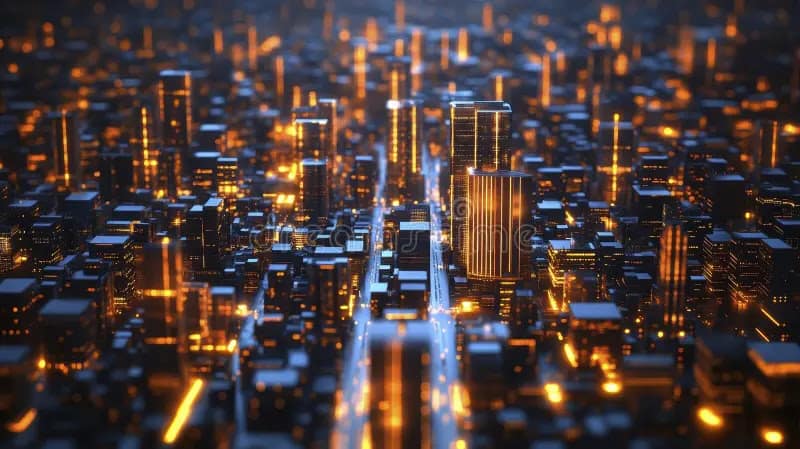
There is a quiet transformation unfolding beneath our cities—one that hums through cables, pulses through charging stations, and flows through the silent motors of electric vehicles. The electric grid of tomorrow is not just a network of wires and substations. It is a living system, a dynamic ecosystem where mobility and energy merge into a single, intelligent rhythm.
To imagine this future, you must picture a world where every vehicle is a battery, every building is a generator, and every road is a conduit of power. Cars no longer depend on fuel stations; they draw energy from the city itself. Homes no longer rely solely on the grid; they store energy in the vehicles parked outside. Mobility becomes part of the energy cycle, not separate from it.
Electric vehicles are at the heart of this transformation. They are no longer just machines that move us—they are mobile power units, capable of storing, sharing, and returning energy. When parked, they feed electricity back into homes, offices, or the grid. When demand rises, they stabilize the system. When renewable energy surges, they store the excess. Movement becomes part of the planet’s electrical heartbeat.
This new ecosystem thrives on intelligence. Algorithms predict energy demand before it forms. Charging stations communicate with vehicles, adjusting power flow in real time. Roads embedded with sensors guide vehicles toward available chargers, creating a seamless choreography between movement and energy. As explored in “https://www.zemeghub.com/2026/02/smart-roads-how-intelligent.html” the rise of smart roads , infrastructure is becoming cognitive. The electric grid simply becomes its nervous system.
Cities begin to change as well. Parking lots evolve into energy hubs. Solar canopies stretch across transit stations. Micromobility fleets recharge through wireless pads hidden beneath sidewalks. Public transit systems draw power dynamically, adjusting consumption as crowds rise and fall. The boundary between transportation and energy dissolves, creating a city that breathes with the flow of electrons.
But the most profound shift is not technological—it is philosophical. The electric grid of tomorrow redefines our relationship with energy. Power is no longer something extracted and consumed; it becomes something shared, circulated, and regenerated. Mobility becomes sustainable not through sacrifice, but through intelligence. The city becomes a partner in movement, not a backdrop to it.
This future is already emerging. Vehicle‑to‑grid systems are being tested. Renewable energy is expanding. Charging networks are growing. The silent hum of electric mobility is becoming the soundtrack of modern life. And as these systems converge, they form a new kind of ecosystem—one where energy flows as freely as movement, and where the two become inseparable.
The electric grid of tomorrow is not just an upgrade. It is a reimagining of how we power our lives, our cities, and our journeys. It is the foundation of a world where mobility is clean, connected, and beautifully synchronized with the energy that sustains it.