
Smart Roads: How Intelligent Infrastructure Will Guide the Future of Mobility
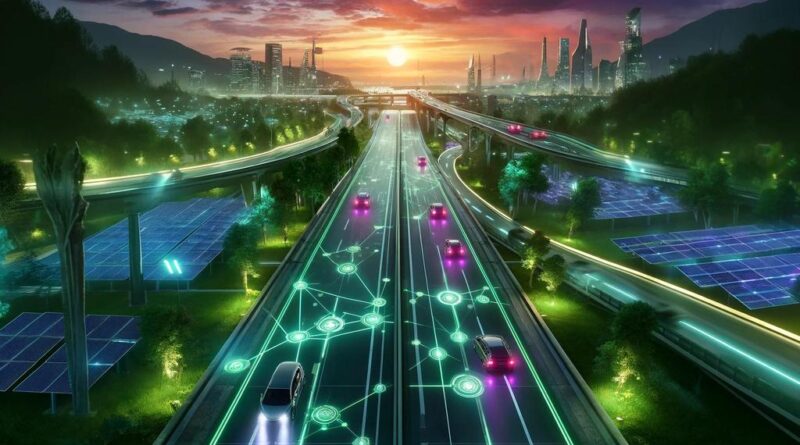
Smart roads are transforming from silent infrastructure into intelligent systems that sense, adapt, and guide the future of mobility.
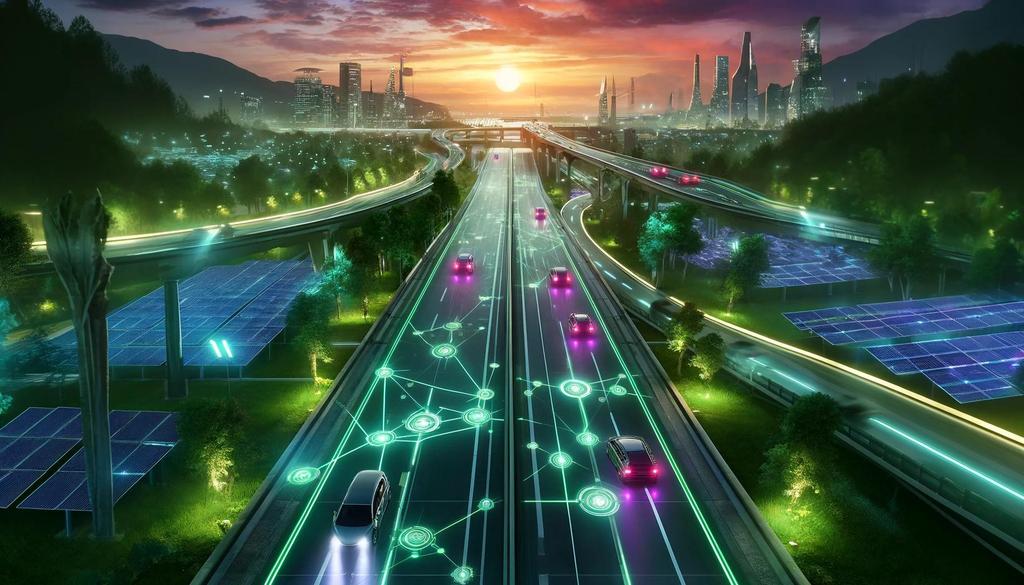
There is a moment when a road stops being a strip of asphalt and becomes something alive—something that senses, responds, and communicates. Smart roads are not a distant dream or a futuristic fantasy. They are the quiet foundation of a new era of mobility, an invisible intelligence woven beneath our wheels, guiding the way cities and vehicles move through the world.
To understand smart roads, you must imagine infrastructure that listens. Pavement embedded with sensors that feel the weight of passing vehicles. Streetlights that adjust their brightness to the flow of traffic. Roadside units that speak to cars, sharing information about weather, congestion, and hazards long before they appear. The road becomes a partner in movement, not a passive surface but an active participant.
In this emerging landscape, mobility becomes a dialogue. Vehicles no longer navigate alone; they communicate with the world around them. An autonomous car approaching a curve receives data from the road itself—friction levels, temperature, the presence of ice invisible to the human eye. It adjusts its speed with calm precision. It anticipates danger before it exists. As explored in “https://www.zemeghub.com/2026/02/what-is-autonomous-driving-narrative.html“the evolution of autonomous driving, vehicles are learning to interpret the world with remarkable clarity. Smart roads amplify that clarity, turning every journey into a coordinated exchange of intelligence.
But the transformation goes deeper. Smart roads reshape the very rhythm of a city. Traffic lights no longer operate on fixed cycles; they adapt in real time to the pulse of movement. Congestion becomes a solvable problem rather than an inevitable one. Emergency vehicles glide through dynamically cleared corridors. Public transit flows with new efficiency, guided by data rather than rigid schedules. The city becomes a living organism—responsive, fluid, and aware.
Energy, too, becomes part of the story. Some smart roads generate power through solar surfaces or kinetic tiles. Others wirelessly charge electric vehicles as they move, dissolving the boundary between infrastructure and energy. The road becomes a source of life, not just a path across it.
And yet, the most profound shift is not technological. It is human. Smart roads create cities where movement feels effortless. Where safety is not an aspiration but a natural consequence of intelligence. Where the stress of traffic fades into a smoother, calmer experience. Where mobility becomes a form of harmony rather than conflict.
In 2035 and beyond, smart roads will not simply guide vehicles—they will guide the evolution of cities. They will shape how we move, how we build, how we live. They will become the silent architecture of a world where mobility is not just efficient, but beautifully synchronized.
The future of transportation is not only in the vehicles we design. It is in the roads beneath them—roads that think, roads that adapt, roads that breathe with the rhythm of the world.