

America Under Pressure: The Pulse of Inflation and the Everyday Life That’s Changing
A subtle economic tension runs through America’s mornings, reshaping daily life as inflation slowly loosens its grip.
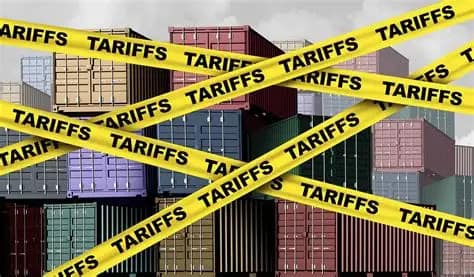
Every morning, the United States wakes up to a background noise that doesn’t come from the engines of its cities or the news playing in diners, but from something subtler: the cost of living rising just a little higher, like a slow and stubborn tide. Families feel it before they even read the headlines. They sense it in the price of milk, in a tank of gas that doesn’t last as long, in a shopping cart that seems lighter even when it’s full.
Yet behind this widespread feeling, the numbers tell a more nuanced story. In January, inflation slowed, recording an annual increase of 2.4%, slightly below expectations and lower than in previous months. It’s a measured, almost timid relief, but enough to let consumers and analysts breathe. Even the monthly figure, a +0.2%, suggests that the surge in prices is losing momentum, especially in volatile sectors like energy and food.
But the streets tell another truth: the truth of people who live these numbers on their skin. Because even if inflation is cooling, it still casts a long shadow over daily habits. Wages are rising, yes, but not enough to erase the recent memory of tougher months. And while markets watch the latest labor data closely—aware that every fluctuation can shift the mood of the national economy—Americans continue to navigate a fragile balance between hope and caution.
Experts warn that expectations around inflation may be too optimistic. According to some analyses, markets are underestimating the possibility that prices could remain higher than expected, fueled by consumer resilience that surprises even the most attentive observers. It’s as if the American economy is walking a tightrope: on one side, the promise of normalization; on the other, the awareness that it takes very little to make everything sway.
And as the debate intensifies, economic policy watches, measures, calibrates. Decisions from the Federal Reserve, Treasury forecasts, Wall Street reactions—everything intertwines in a complex mosaic that shapes the country’s near future. Some signals are encouraging, like the cooling of prices and renewed confidence in financial markets, which see this slowdown as a possible prelude to a more solid year of recovery.
But the real story, the one that truly matters, is the one lived inside homes, in stores, in the small gestures of everyday life. That’s where inflation stops being a percentage and becomes experience. That’s where the pulse of today’s America is measured.
And as the country continues to move between uncertainty and signs of improvement, one thing is clear: the economy is not just a graph—it’s a human story. And every data point, every fluctuation, every forecast is just a chapter in a much larger narrative, one that continues to write itself day after day.