
The Subscription Fatigue Crisis — And How Creators Can Survive It
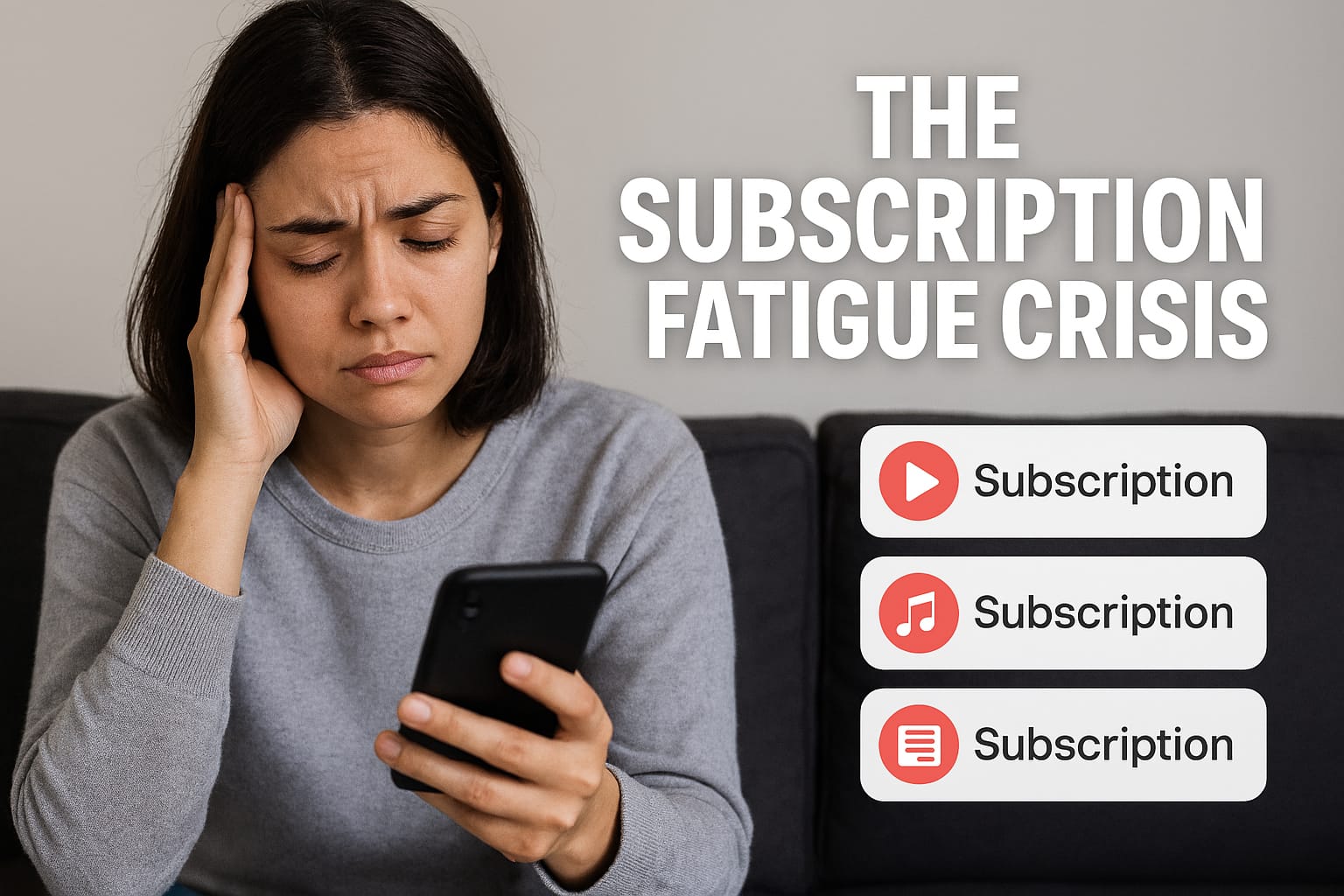
There was a moment, not long ago, when subscriptions felt like freedom. A few dollars a month unlocked entire worlds — music without ads, films without commercials, newsletters without noise. But somewhere along the way, the model multiplied. Every creator, every platform, every service began asking for a monthly fee. What once felt empowering now feels exhausting. Audiences aren’t rejecting creators; they’re drowning.
This is the subscription fatigue crisis — a quiet, growing tension between the people who make content and the people who consume it. Not because the content lacks value, but because the cumulative weight of dozens of small payments has become too heavy to carry. The average user now juggles streaming services, cloud storage, news outlets, apps, creators, and niche communities. Each one asks for “just a few dollars,” but together they form a financial fog that people can no longer see through.
Economists studying digital behavior have noticed a shift: users are becoming more selective, more cautious, more resistant to recurring commitments. They cancel quickly. They hesitate before subscribing. They look for alternatives that don’t lock them into monthly obligations. The emotional cost of “one more subscription” is now higher than the financial cost. And creators who rely solely on subscriptions feel the pressure first.
But this crisis isn’t the end of creator income — it’s the beginning of a new phase. The creators who survive are the ones who adapt to the changing psychology of their audience. They understand that people still want to support the work they love; they just want more flexibility in how they do it.
Hybrid monetization is emerging as the answer. Not a single revenue stream, but a constellation of small, optional ones. A creator might offer a low‑commitment subscription for core supporters, but also open the door to micro‑tips, one‑time purchases, pay‑what‑you‑want content, or occasional premium releases. Instead of asking for a monthly promise, they invite the audience to participate in ways that feel lighter, more spontaneous, more human.
This shift mirrors a broader trend in the digital economy: people prefer choice over commitment. They want to support creators without feeling trapped. They want to pay for value when they feel it, not because a billing cycle demands it. And creators who embrace this reality discover something surprising — when the pressure is removed, generosity often increases.
The subscription fatigue crisis is not a collapse; it is a recalibration. A reminder that audiences are not revenue streams but relationships. They ebb, they flow, they respond to trust and transparency. The creators who thrive in this new landscape will be the ones who treat their audience not as subscribers, but as participants — people who want to be part of something meaningful without being locked into it.
In the end, the future of creator income won’t be built on monthly fees alone. It will be built on flexibility, creativity, and the understanding that value can be exchanged in many forms. The crisis is real, but so is the opportunity. And those who adapt will find that the digital world still has room for sustainable, human‑centered earning — just not in the rigid ways we once imagined.