

The Forests That Sing — Natural Soundscapes No One Can Explain
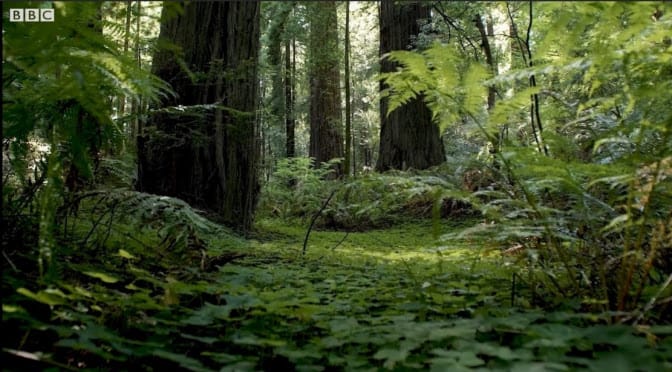
There are forests where the world feels thinner, as if the boundary between the natural and the impossible has worn away. You step beneath the canopy expecting silence, or maybe the usual chorus of leaves and insects, but instead you hear something else — a sound that doesn’t belong to the wind, or the trees, or anything you can name. A melody. A hum. A voice that seems to rise from the ground itself.
People who have walked through these places describe the same sensation: the feeling of being watched not by animals, but by the forest itself. The air vibrates in long, trembling notes that echo between the trunks like the breath of something ancient. Sometimes the sound is soft, almost tender, like a lullaby carried on the breeze. Other times it’s sharp and metallic, as if the branches were striking chords on an invisible instrument.
Scientists have tried to explain it. They talk about geology, about cavities in the earth that resonate like flutes when the wind passes through them. They mention temperature shifts, pressure gradients, the strange acoustics of dense vegetation. And maybe they’re right. Maybe the forest is just a giant, accidental instrument, tuned by chance and played by the weather.
But the people who live near these places tell a different story. They say the forests sing because they remember. They remember storms, migrations, footsteps, prayers. They remember the ones who walked through them long before maps existed. Some say the voices belong to spirits who never left. Others say the forest sings to warn, or to welcome, or simply because it can.
There is a place in northern Europe where hikers swear they heard a choir at dusk — not human, not animal, but something in between. In South America, a rainforest valley produces a low, trembling hum that makes the ground feel alive beneath your feet. In Asia, a bamboo grove is known for a sound like distant chanting whenever the wind shifts direction. No one has ever recorded these sounds clearly. They appear and vanish like dreams, impossible to capture, impossible to forget.
What makes these forests so unsettling is not the sound itself, but the way it seems to respond. You take a step, and the tone changes. You hold your breath, and the melody softens. It feels less like listening to nature and more like being listened to by it.
Maybe the truth lies somewhere between science and myth. Maybe the earth has its own language, one we’ve forgotten how to hear. Or maybe these forests are reminders that the world is still stranger than we allow ourselves to believe — that even now, in an age of satellites and sensors, there are places where mystery refuses to die.
And if you ever find yourself walking through one of these singing forests, you’ll understand why no one agrees on what the sound really is. Because in that moment, with the trees whispering above you and the ground humming beneath your feet, explanation won’t matter. Only the feeling will.