

Rising Global Tensions Between the U.S. and Iran
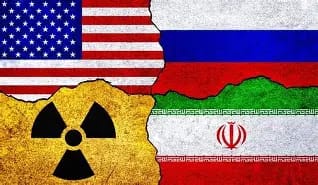
Across the Middle East, a familiar unease is beginning to settle into the air — the kind that precedes shifts in alliances, markets, and the fragile balance of regional power. The United States has begun signaling a stronger military posture, moving assets, tightening its diplomatic language, and making clear that it intends to project a more assertive presence. Iran, in turn, has responded with sharp warnings, framing the U.S. actions as provocations and vowing to defend its interests. What might once have been dismissed as routine posturing now feels heavier, more consequential, as if the region is bracing for a storm whose shape is not yet fully visible.
Governments across the Middle East are quietly preparing for potential instability. Some are reinforcing security protocols, others are recalibrating their diplomatic channels, and many are watching the situation with a wary sense of déjà vu. The region has long been a crossroads of competing interests, but the current escalation carries a different weight — a sense that the margin for miscalculation has grown thinner. Even small incidents, if mishandled, could ripple outward with unexpected force.
Global markets are already reacting. Energy prices, sensitive to even the faintest tremor in the Gulf, have begun to fluctuate as traders factor in the possibility of disrupted shipping routes or reduced oil output. Investors are watching not just the military movements, but the diplomatic signals — the statements, the counterstatements, the subtle shifts in tone that often reveal more than official declarations. In a world still recovering from economic shocks, the prospect of renewed tension in one of the planet’s most strategically vital regions adds another layer of uncertainty.
International diplomacy is also being reshaped. Allies are seeking clarity from Washington. European governments are urging restraint. Regional powers are weighing how far they can distance themselves from the unfolding tension without jeopardizing their own security relationships. The situation has become a test of diplomatic agility, where every word and gesture carries amplified meaning.
What makes this moment particularly delicate is the sense that both sides feel compelled to project strength. The United States wants to reassure its partners and deter adversaries. Iran wants to assert sovereignty and resist pressure. Between these two imperatives lies a narrow space where diplomacy must operate — a space that becomes more fragile with each escalation.
For now, the world watches. The tension is not yet a crisis, but it is a warning. A reminder of how quickly geopolitical currents can shift, how deeply interconnected global systems have become, and how the actions of two nations can send ripples across continents. The coming weeks will reveal whether this moment becomes a turning point or a passing tremor — but the weight of possibility is already being felt.