

Davos 2026 Opens With Global Leaders Calling for a “Spirit of Dialogue”
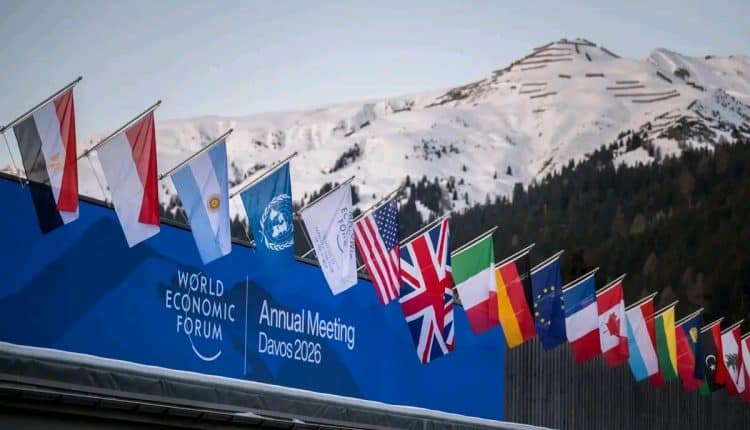
Davos has opened its doors once again, but this year the air feels heavier, charged with the weight of a world struggling to hold itself together. The World Economic Forum’s 2026 Annual Meeting has officially begun, gathering around 3,000 leaders from more than 130 countries, a convergence of political power, corporate influence, and geopolitical tension.
The theme — “A Spirit of Dialogue” — is more than a slogan. It is a plea. A recognition that the global order is fraying under the pressure of wars, trade conflicts, technological disruption, and a deepening mistrust between nations. The Forum’s own risk assessments warn that the world is “balancing on a precipice,” and Davos arrives at a moment when dialogue is not a luxury but a necessity.
This year’s gathering is also defined by the presence of two figures whose countries sit at the center of global conflict and reconstruction: Donald Trump and Volodymyr Zelenskyy.
Trump’s arrival in Davos — accompanied by one of the largest U.S. delegations ever sent to the Forum — instantly reshaped the atmosphere. His agenda, speeches, and bilateral meetings are expected to dominate the week, especially as he outlines his vision for global security and economic realignment.
Zelenskyy, meanwhile, carries a different kind of weight. Ukraine’s future hangs in the balance, and Davos has become the stage for one of the most ambitious reconstruction proposals in modern history: a potential $800‑billion recovery and rebuilding agreement. The Ukrainian delegation is expected to push for commitments, guarantees, and long‑term partnerships that could define the country’s post‑war trajectory.
The contrast between the two leaders — one representing a superpower recalibrating its global posture, the other fighting for national survival — captures the essence of this year’s Forum. Davos is no longer just a meeting of elites; it is a crossroads where competing visions of the future collide.
Yet amid the tension, the message remains clear: dialogue is the only path forward. The Forum’s theme is not aspirational — it is urgent. And as leaders gather in the snow‑covered Swiss Alps, the world watches to see whether conversation can still shape outcomes in an era defined by fragmentation.
Editorial Disclaimer
This article summarizes publicly available information and reporting on the World Economic Forum’s 2026 Annual Meeting. It is intended for informational and editorial purposes only and should not be interpreted as political advice, diplomatic analysis, or a prediction of future policy outcomes. Geopolitical conditions and international negotiations can change rapidly. Readers should consult multiple sources and expert analyses when evaluating global political developments.