
Sudan Crisis: A Drone Strike in Kordofan and the Shattered Lives of Innocents
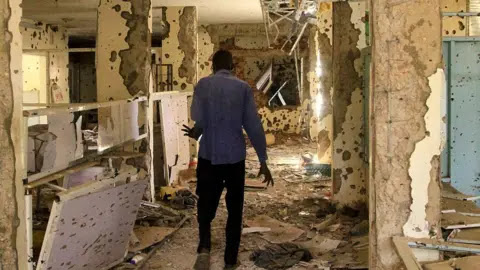
The skies over Sudan’s Kordofan region carried a deadly silence before erupting into chaos. In a single strike, paramilitary drones descended upon villages, leaving behind devastation that words can scarcely contain. Fifty people were killed, among them thirty-three children, their lives cut short in an instant. What should have been a day of ordinary routines—school, play, family meals—was transformed into a nightmare of fire, rubble, and grief.
This attack is not an isolated incident. It is part of a broader conflict that has torn Sudan apart, pitting rival factions against one another while civilians bear the brunt of violence. The strike in Kordofan is emblematic of the worsening humanitarian crisis: families displaced, hospitals overwhelmed, and communities living under the constant shadow of drones and artillery.
Witnesses describe scenes of unbearable loss. Parents searching through debris for their children, neighbors carrying the wounded on makeshift stretchers, doctors struggling to treat injuries with dwindling supplies. The cries of survivors echo through the ruins, a haunting reminder that in this war, the innocent are the most vulnerable.
International observers have condemned the attack, calling it a violation of humanitarian law and a stark illustration of the conflict’s brutality. Yet condemnation alone does little to ease the suffering. Aid organizations warn that Sudan is sliding deeper into catastrophe, with food insecurity, collapsing infrastructure, and waves of refugees fleeing violence. The drone strike in Kordofan is not just a tragedy—it is a signal of how fragile life has become in Sudan, where even children are not spared from the machinery of war.
For the people of Kordofan, the future feels uncertain. The loss of thirty-three children is not only a personal grief for families—it is a wound to the community, a rupture in the continuity of generations. Each child carried dreams, laughter, and potential. Their absence leaves a silence that no ceasefire or negotiation can easily heal.
The Sudan crisis is more than a geopolitical struggle. It is a human story written in blood and resilience, in shattered homes and unyielding hope. The drone strike in Kordofan forces the world to confront the urgency of peace, the necessity of humanitarian aid, and the moral imperative to protect those who cannot protect themselves.