

Santa Claus Rally in Doubt: AI Disruption and Fed Uncertainty Cloud Wall Street’s Seasonal Optimism
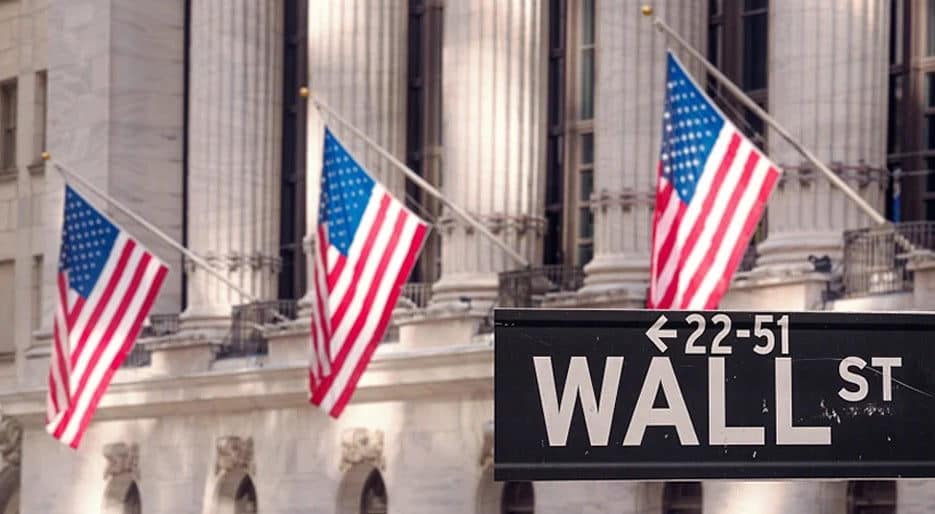
For decades, December has carried a familiar rhythm on Wall Street: the so-called Santa Claus rally, a burst of year-end optimism that often lifts stocks into the new year. But in 2025, that tradition faces unusual headwinds. AI disruption and Federal Reserve uncertainty are shaking investor confidence, leaving traders to wonder whether the holiday cheer will arrive at all.
The Santa Claus rally is more than folklore—it’s a pattern rooted in investor psychology, tax strategies, and seasonal liquidity. Yet this year, the mood feels different. Instead of calm, markets are caught in a swirl of technological upheaval and policy ambiguity.
Artificial intelligence has become both a catalyst and a source of anxiety. Rapid advances in generative and agentic AI are reshaping industries, sparking waves of investment but also raising fears of displacement and regulatory backlash. Tech stocks, usually the engine of holiday rallies, now trade with heightened volatility as investors struggle to price both opportunity and risk.
At the same time, the Federal Reserve looms large. Strong U.S. economic data has reduced expectations of aggressive rate cuts in 2026, leaving markets in limbo. Traders who once anticipated a clear easing cycle now face uncertainty about the Fed’s next move, dampening the seasonal optimism that typically fuels December gains.
The result is a market divided:
-
Optimists argue that resilient earnings and long-term AI adoption will eventually lift equities.
-
Skeptics warn that short-term volatility, policy ambiguity, and geopolitical risks could derail the rally.
This tension has produced choppy trading sessions, with investors hedging rather than celebrating.
The Santa Claus rally may not vanish entirely, but its character is changing. Instead of a smooth ascent, 2025’s year-end could be marked by fits and starts, sudden reversals, and cautious positioning. For Wall Street, the message is clear: holiday cheer is no longer guaranteed when technology disruption and monetary policy uncertainty collide.