
WHO Issues Landmark Global Guidelines on Infertility Care
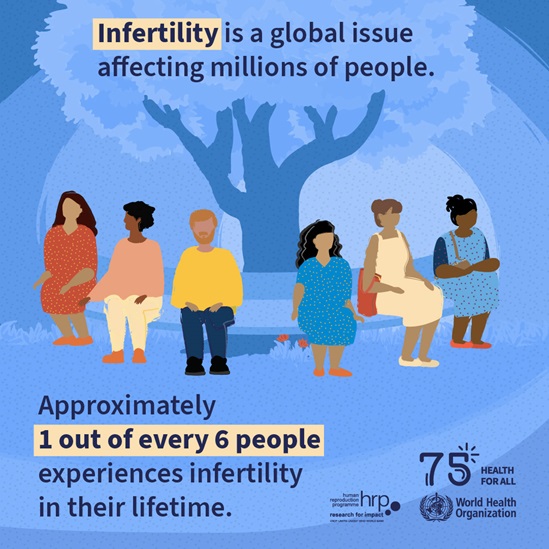
For the first time, the World Health Organization has stepped forward with a unified set of global guidelines to address infertility — a condition that touches the lives of one in six people worldwide. This announcement marks a turning point in how reproductive health is understood, treated, and supported across cultures and health systems.
Infertility has often been a silent struggle. Couples and individuals face not only the medical challenges of conception but also the emotional weight of stigma, isolation, and financial strain. In many regions, fertility treatments remain out of reach, reserved for those with significant resources. The WHO guidelines aim to change this narrative, placing equity and accessibility at the heart of reproductive care.
The directives emphasize prevention and early detection, encouraging health systems to identify risk factors before infertility becomes a lifelong burden. They also call for fertility services to be integrated into public health coverage, reducing the crushing out‑of‑pocket costs that force many families to abandon their hopes. Importantly, the guidelines highlight male infertility as a critical but often overlooked factor, urging a more balanced approach to diagnosis and treatment.
Beyond the medical dimension, WHO recognizes the psychological toll infertility takes. The guidelines stress the importance of mental health support, ensuring that counseling and emotional care accompany medical interventions. This holistic approach reflects a growing understanding that reproductive health is not just about biology — it is about dignity, relationships, and the human desire to build a family.
Dr. Tedros Adhanom Ghebreyesus, WHO’s Director‑General, underscored the equity issue at the heart of this initiative. Millions of people are excluded from fertility care because of cost or lack of services. By reframing infertility as a public health priority, the guidelines challenge governments to act, ensuring that reproductive care is not a privilege but a right.
The release of these guidelines is more than a technical document; it is a message of hope. For individuals across continents — from Europe to Africa, Asia to the Americas — it signals that their struggles are seen, their voices heard, and their dreams valued. If countries adopt these recommendations, the future could bring safer, fairer, and more affordable fertility care for all.
Infertility is no longer hidden in silence. With WHO’s global guidelines, it has entered the spotlight as a shared challenge, and the path toward equitable care has finally begun.