

How does financial stress affect decision-making?
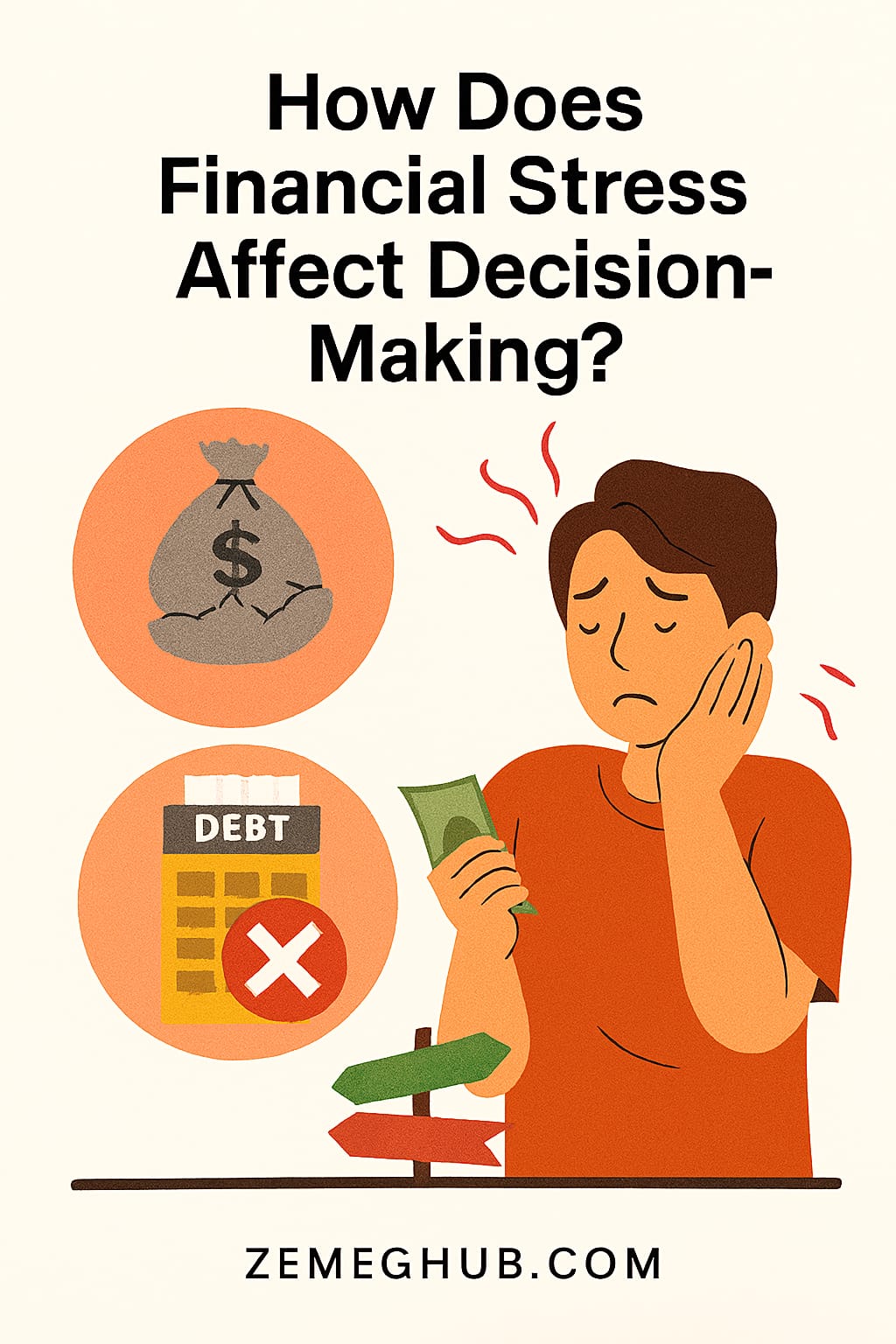
Financial stress impairs decision-making by narrowing focus, increasing impulsivity, and reducing cognitive flexibility—leading people to make short-term choices that often worsen long-term outcomes.
Picture someone staring at a dwindling bank balance, unsure how to pay rent, buy groceries, or cover a medical bill. In that moment, their brain isn’t calmly weighing options—it’s in survival mode. Financial stress doesn’t just affect emotions; it reshapes how we think.
When money becomes a source of anxiety, the brain’s prefrontal cortex, which governs rational thinking and planning, starts to lose control. Instead, the amygdala, the brain’s fear center, takes over. This shift makes people more reactive, less strategic, and prone to tunnel vision. They focus on immediate relief—anything to escape the stress—even if it leads to worse problems later.
This is why someone under financial pressure might:
-
Take out a high-interest payday loan to cover a bill.
-
Skip a credit card payment to buy essentials.
-
Delay seeking help or ignore bills entirely.
These aren’t irrational choices—they’re stress-driven compromises. The brain under pressure prioritizes short-term survival over long-term stability.
Studies show that financial stress can also reduce cognitive bandwidth. People have less mental energy to process complex information, compare options, or plan ahead. It’s like trying to solve a puzzle while drowning. Even simple decisions—like choosing between two phone plans—can feel overwhelming.
And then there’s emotional exhaustion. Chronic financial stress leads to fatigue, sleep problems, and depression. These conditions further impair judgment, making people more likely to procrastinate, avoid decisions, or fall into patterns of impulsive spending.
Interestingly, financial stress doesn’t just affect the poor. Even high-income individuals can experience it—especially if they’re overleveraged, facing job loss, or dealing with unexpected expenses. The stress response is universal, even if the triggers differ.
But there’s hope. Research shows that financial literacy, support systems, and mindfulness practices can buffer the effects of stress. When people feel informed and supported, they make better choices—even under pressure.
In short, financial stress hijacks the brain’s decision-making machinery. It narrows focus, amplifies fear, and pushes people toward quick fixes. Understanding this dynamic is the first step toward reclaiming control—and building a financial life rooted in clarity, not crisis.