

U.S. and Israel Intensify Strikes on Iran as Explosions Shake Tehran and the Region Braces for Escalation
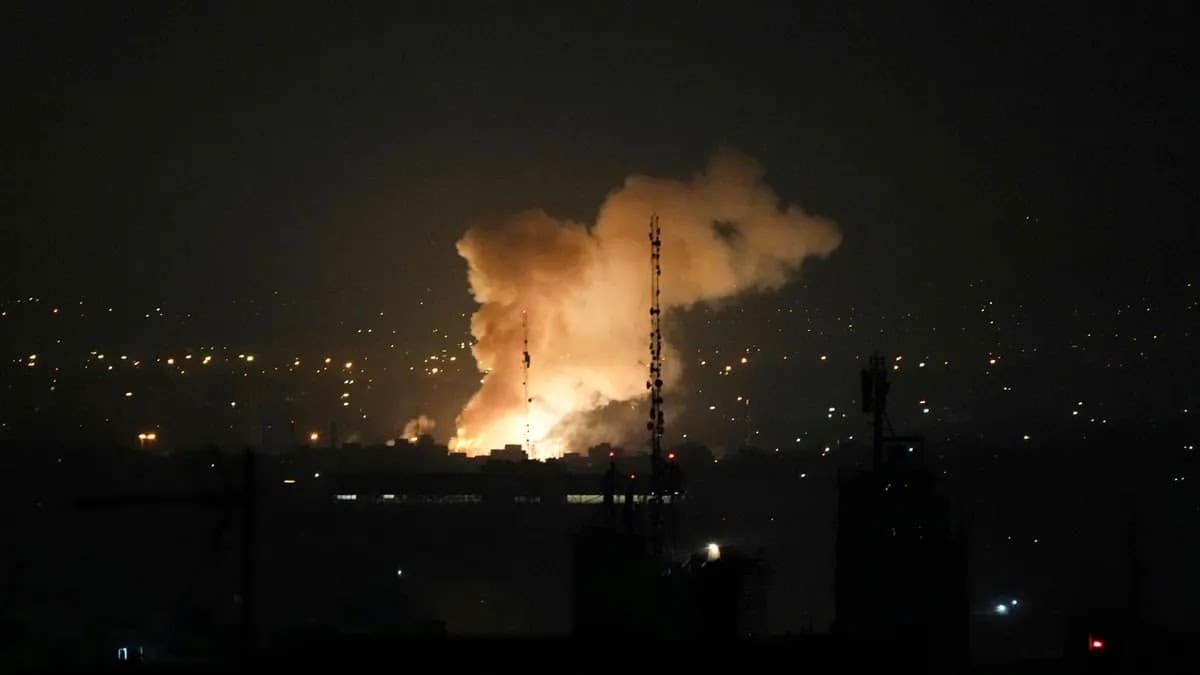
A new wave of coordinated U.S.–Israeli strikes has hit Iran, sending shockwaves through Tehran and deepening a conflict that is rapidly expanding across the Middle East. According to Al Jazeera, explosions were heard and seen across the Iranian capital as missiles struck areas including University Street and the Jomhouri district, leaving plumes of smoke rising above the skyline.
The latest attacks come just hours after the United States and Israel confirmed the death of Iran’s Supreme Leader Ayatollah Ali Khamenei, killed during a massive joint operation that targeted military and government sites in Tehran. CBS News reports that the two countries launched another round of strikes early Sunday morning, with President Donald Trump stating that “heavy and pinpoint bombing” would continue for as long as necessary.
Inside Iran, the situation has grown increasingly volatile. U.S. News & World Report confirms that Israel has carried out a major new strike on Tehran, while Iran has responded by firing drones and missiles at Israel and U.S. military installations across the Gulf. The violence has widened to multiple countries, with a rising death toll and growing uncertainty about how far the conflict may spread.
The regional impact has been immediate and severe. News18 reports that explosions have been recorded not only in Tehran but also in Riyadh, Dubai, Abu Dhabi, Doha, Manama, Jerusalem and Tel Aviv, marking one of the broadest retaliatory waves Iran has ever launched. Israeli rescue services have confirmed casualties in Beit Shemesh, while Gulf states continue to intercept incoming missiles.
Inside Iran, the atmosphere is tense and chaotic. Yahoo News confirms that more than 200 people have been killed across 24 of Iran’s 31 provinces since the first day of strikes, with Tehran vowing to take “revenge” for the killing of its Supreme Leader. The attack that killed Khamenei also claimed the lives of several top Iranian security officials, further destabilizing the country’s leadership structure.
Iran’s foreign minister has stated that a new Supreme Leader will be chosen within “one or two days,” according to India TV News, underscoring the urgency with which the Iranian government is attempting to restore political continuity amid ongoing bombardments.
As the conflict enters its second day, the Middle East faces a rapidly shifting landscape. The skies above Tehran remain filled with smoke, the Gulf states brace for further retaliation, and Washington signals that military operations will continue. With both sides escalating and no sign of de‑escalation in sight, the region stands on the edge of a confrontation that could reshape its political and security architecture for years to come.