

When Tariffs Rise, So Does the Temperature Between Washington and Europe
A tariff increase meant as strategy instead unsettled an entire continent, stirring unease across the Atlantic.
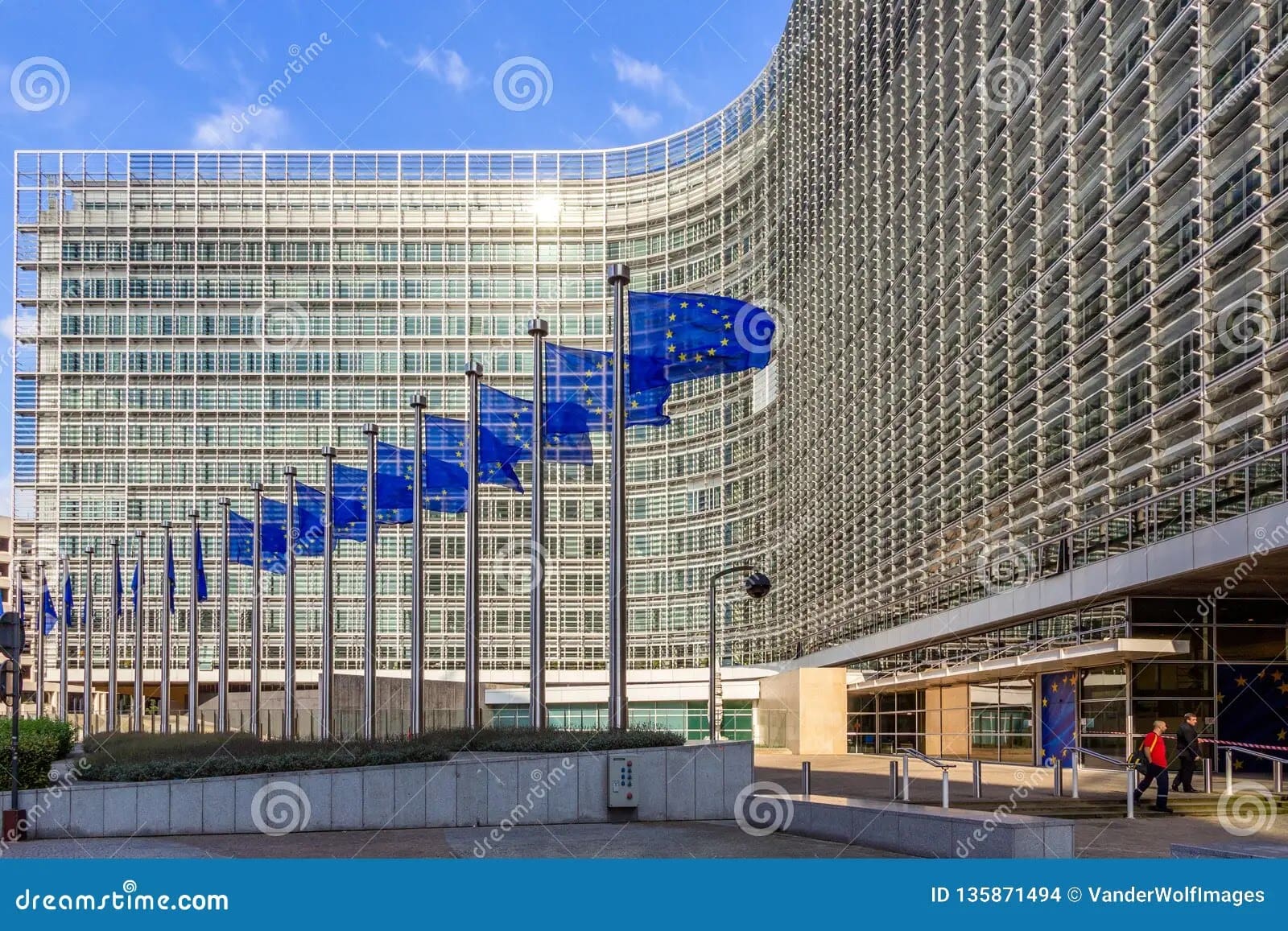
The announcement came with the bluntness of a policy shift that doesn’t wait for diplomacy. The United States confirmed an increase in global tariffs from ten to fifteen percent, a move framed as strategic protection but felt across the Atlantic as a sudden tightening of the economic climate. In Brussels, the reaction was immediate and unusually sharp. European officials demanded clarity, not out of formality but out of necessity, as if the ground beneath long‑standing trade relations had shifted overnight.
What unsettled Europe wasn’t only the numbers. It was the sense of unpredictability, the feeling that a familiar partner had changed the rules without warning. The European Central Bank echoed the concern, calling for transparency before the situation spiraled into something harder to reverse. Behind the official statements, there was a quiet urgency — the recognition that trade tensions, once ignited, rarely stay contained.
Washington insisted that agreements would be respected, that the increase was part of a broader strategy rather than a provocation. But reassurance travels slowly when markets are already calculating the cost of uncertainty. Analysts began to speak of possible retaliatory measures, not as threats but as the natural language of global economics when balance is disrupted.
In the background, businesses on both sides of the ocean braced for impact. Exporters recalculated margins, importers reconsidered supply chains, and policymakers tried to read between the lines of each other’s statements. The story unfolding wasn’t just about tariffs; it was about trust, timing, and the fragile choreography of international trade.
For now, the tension hangs in the air — not yet a crisis, but no longer a simple disagreement. A reminder that in the world of global commerce, a single percentage point can carry the weight of a diplomatic gesture, and that even allies can find themselves navigating unfamiliar waters when economic winds shift.