

The Night That Shines: How Next‑Generation Batteries Are Quietly Transforming the Future of Clean Energy
When the sun sets and the world darkens, a new generation of batteries is learning to keep the light alive.
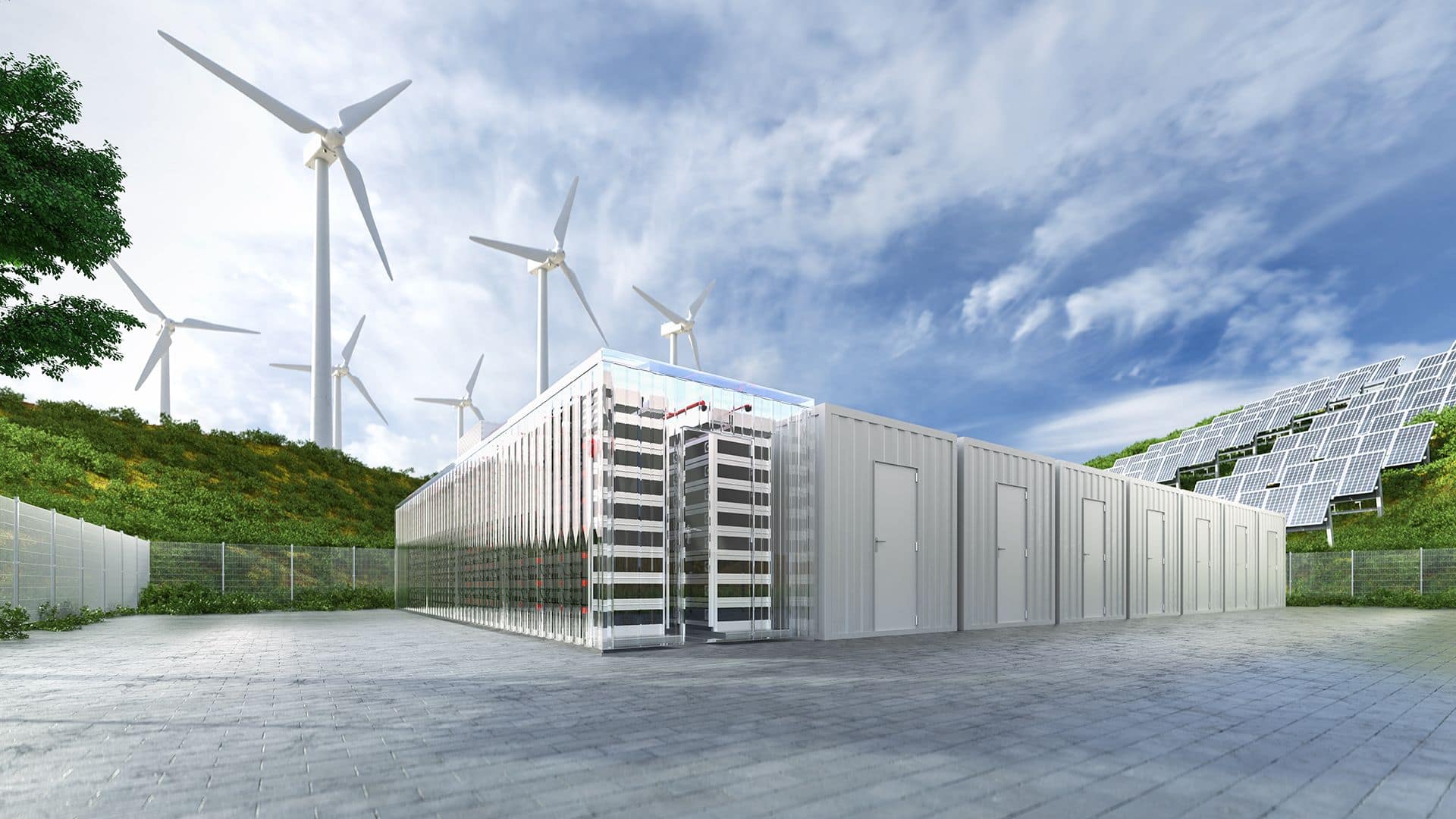
There is a moment every evening when the world exhales. The sun slips behind the horizon, the air cools, and the great engines of solar power fall silent. For decades, this moment has been the quiet enemy of renewable energy — the darkness that forced nations to fall back on fossil fuels, the gap that clean technologies could not yet bridge. But something is changing. In laboratories, deserts, and city rooftops, a new generation of batteries is emerging, capable of storing the day’s light and releasing it through the night like a second sunrise.
These batteries are not the familiar lithium‑ion cells that power our phones and cars. They are stranger, more ambitious, born from materials once considered too unstable, too exotic, or too expensive. Some use molten metals that flow like rivers of fire. Others rely on air itself as a reactant, breathing in oxygen to release energy. A few are built from elements so abundant that they could power entire continents without mining a single rare mineral. Together, they form a quiet revolution — one that could make renewable energy not just clean, but continuous.
The challenge has always been the same: sunlight and wind are powerful but unpredictable. They arrive in bursts, in seasons, in rhythms that do not always match human needs. To rely on them fully, we must learn to store their excess and release it when the world grows dark. For years, this was the missing piece of the clean‑energy puzzle. Now, that piece is falling into place.
In the American Southwest, vast arrays of thermal batteries store heat in molten salt, glowing like liquid stars long after sunset. In Europe, iron‑air batteries — simple, durable, almost alchemical — inhale oxygen during discharge and exhale it during recharge, offering storage at a fraction of the cost of traditional systems. In Asia, researchers are experimenting with sodium‑based batteries that could free the world from its dependence on lithium entirely. And in remote communities, flow batteries the size of shipping containers hum quietly, providing power through storms, nights, and long winters.
What makes this transformation so profound is not just the technology, but the shift in imagination. Clean energy is no longer limited by the cycles of nature. It becomes something stable, dependable, almost alive — a system that breathes with the planet rather than against it.
This shift echoes the breakthroughs described in The Next Energy Breakthrough: A Revolutionary Fuel Poised to Eclipse Hydrogen, where researchers explore fuels capable of reshaping the global energy landscape. Batteries belong to this same family of innovations: technologies that do not merely replace fossil fuels, but redefine what energy can be.
The implications ripple outward. Cities could run on solar power even in winter. Factories could operate through the night without burning coal or gas. Entire nations could stabilize their grids with renewable energy alone, ending the need for backup fossil‑fuel plants. And in the developing world, where millions still live without reliable electricity, long‑duration batteries could bring light to places where the grid may never reach.
But perhaps the most poetic transformation is the simplest: night itself changes. Darkness is no longer a barrier. It becomes a reservoir — a time when stored sunlight flows back into the world, illuminating homes, hospitals, and streets with energy captured hours or days before.
The night shines because the day has been saved.
And in that quiet glow, the future of clean energy begins to take shape.