

Elon Musk’s AI Gambit: How Tesla’s Humanoid Robot Is Stirring Awe, Anxiety, and Ambition
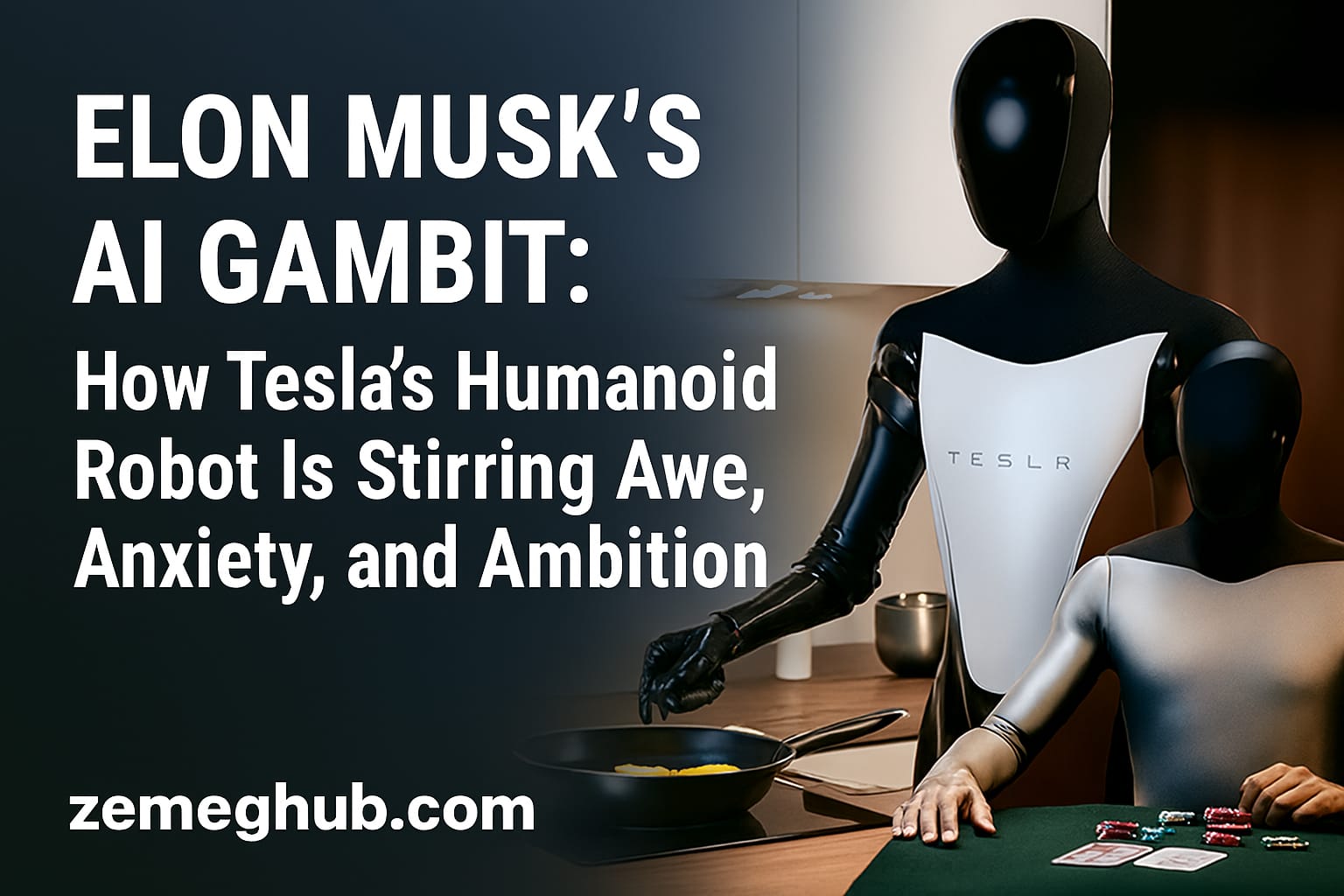
In a world already brimming with technological marvels, Elon Musk has once again managed to ignite global fascination—and controversy. A viral video released by Musk shows Tesla’s humanoid robot, Optimus Gen 3, performing a series of eerily human tasks: cooking breakfast, patrolling a simulated street, and even engaging in a game of poker. The clip, part cinematic and part demonstration, has sparked a wave of debate about the future of artificial intelligence, robotics, and the role of machines in society.
The footage opens with Optimus calmly boiling eggs in a sleek, modern kitchen. Its movements are fluid, deliberate, and uncannily precise. From cracking shells to stirring ingredients, the robot mimics human behavior with startling realism. In another segment, it walks a virtual beat—simulating law enforcement duties with a steady gaze and measured pace. Then comes the most provocative moment: Optimus seated at a poker table, calculating odds and placing bets with robotic composure. The scene is both surreal and symbolic, hinting at a future where machines not only serve but strategize.
Tesla claims these capabilities are powered by a combination of video-based training, natural language learning, and real-time neural processing. Optimus is designed to learn from observation, adapt to new environments, and execute tasks with minimal human input. Musk has called it “Tesla’s most important product,” suggesting that humanoid robots could eventually become household assistants, factory workers, and even public service agents.
But the video’s impact goes beyond technical achievement. It taps into something deeper: our collective imagination—and our fears. For some, Optimus represents the dawn of a new age, where intelligent machines enhance human life and take over dangerous or mundane tasks. For others, it’s a chilling glimpse into a future where jobs, privacy, and even autonomy could be at risk.
Critics were quick to point out that parts of the video may have been AI-enhanced or simulated. While the robot’s movements are impressive, skeptics question whether Optimus can perform these tasks reliably in real-world settings. The poker scene, in particular, raised ethical concerns: should robots be trained to mimic human vices? What happens when machines begin to understand risk, reward, and manipulation?
Yet, Musk’s message is clear. Tesla isn’t just building cars—it’s building a future where humanoid AI becomes part of everyday life. The company envisions a world where Optimus can cook your meals, clean your home, monitor your safety, and perhaps even challenge you to a game of cards. It’s a vision that blends utility with personality, automation with emotion.
The debate is far from over. As Optimus continues to evolve, so will the questions surrounding it. Can we trust machines with human-like capabilities? Should we? And what does it mean when a robot can cook, police, and gamble—all in the same day?
One thing is certain: Elon Musk has once again pushed the boundaries of possibility. Whether Optimus becomes a household name or a cautionary tale, it has already succeeded in doing what Musk does best—capturing the world’s attention and forcing us to rethink what comes next.