
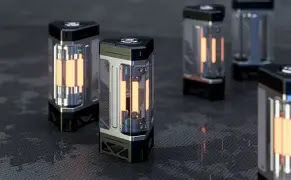
🚄 The Future of Urban Mobility: From Hyperloops to Autonomous Transit
.webp)
Urban transportation is undergoing a radical transformation. As cities grapple with congestion, pollution, and growing populations, innovative mobility solutions are emerging to redefine how people move through urban spaces. From high-speed hyperloops to driverless shuttles, the future of transit is fast, smart, and sustainable.
Why Urban Mobility Needs Reinvention
Traditional transportation systems—cars, buses, and subways—are struggling to keep pace with modern urban demands. The challenges are clear:
-
Traffic congestion
Gridlock wastes time, increases emissions, and strains infrastructure. -
Environmental impact
Fossil fuel-powered vehicles contribute significantly to urban air pollution and climate change. -
Accessibility gaps
Many transit systems fail to serve marginalized communities, limiting mobility and opportunity.
Emerging Solutions in Urban Transit
Cities and tech innovators are exploring bold new approaches to mobility:
-
Hyperloop technology
This vacuum-tube-based system promises ultra-fast travel between urban centers, with speeds exceeding 1000 km/h. Though still in development, it could revolutionize regional commuting. -
Autonomous public transport
Self-driving buses and shuttles are being tested in cities like Helsinki and Las Vegas, offering safer, more efficient transit with reduced labor costs. -
Electric micro-mobility
E-scooters, bikes, and compact EVs provide flexible, low-emission options for short-distance travel, especially in dense urban cores. -
Mobility-as-a-Service (MaaS)
Digital platforms integrate multiple transport modes—ride-sharing, public transit, bike rentals—into a single app, simplifying travel planning and payment.
Smart Infrastructure for Smart Transit
Innovative mobility requires equally advanced infrastructure:
-
Connected traffic systems
AI-powered signals and sensors optimize traffic flow, reduce wait times, and prioritize emergency vehicles. -
Charging networks for EVs
Cities are expanding fast-charging stations to support the growing fleet of electric vehicles. -
Dedicated lanes and hubs
Urban planners are creating exclusive lanes for autonomous vehicles and micro-mobility, improving safety and efficiency.
Social and Environmental Impact
Modern mobility isn’t just about speed—it’s about equity and sustainability:
-
Reduced carbon footprint
Electric and shared transit options lower emissions and improve urban air quality. -
Inclusive access
Smart transit systems can be designed to serve all demographics, including the elderly and disabled. -
Revitalized public spaces
With fewer cars on the road, cities can reclaim space for parks, pedestrian zones, and community hubs.
The future of urban mobility is not a distant dream—it’s unfolding now. By embracing innovation, cities can create transportation systems that are cleaner, faster, and more inclusive. Whether it’s gliding through a hyperloop or hopping on an autonomous shuttle, the journey ahead promises to be transformative.