
The COVID-19 Pandemic: A Global Health Crisis
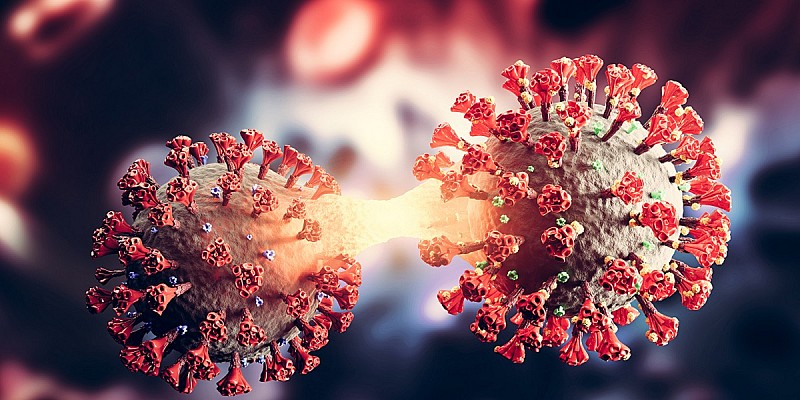
The COVID-19 pandemic, caused by the novel coronavirus SARS-CoV-2, emerged in late 2019 and quickly spread across the globe, leading to unprecedented health, social, and economic challenges. This recent historical event has had a profound impact on nearly every aspect of life worldwide.
#### The Emergence of COVID-19
The first cases of COVID-19 were reported in December 2019 in Wuhan, China. The virus, which causes respiratory illness, spread rapidly, leading to a global health emergency declared by the World Health Organization (WHO) in January 2020.
#### Global Spread and Response
By March 2020, COVID-19 had spread to multiple countries, prompting governments to implement lockdowns, travel restrictions, and social distancing measures to curb the virus’s transmission. The pandemic exposed weaknesses in healthcare systems and highlighted the importance of international cooperation in managing public health crises.
#### Vaccination Efforts
The development and distribution of COVID-19 vaccines became a top priority. Pharmaceutical companies, such as Pfizer-BioNTech, Moderna, and AstraZeneca, developed vaccines at an unprecedented pace, with emergency use authorizations granted within months of the pandemic’s onset[](https://www.history.com/topics/21st-century/2021-events “1”). Vaccination campaigns were launched worldwide, aiming to achieve herd immunity and reduce the spread of the virus.
#### Economic Impact
The pandemic caused significant economic disruptions, leading to job losses, business closures, and a global recession Governments implemented economic stimulus packages to support individuals and businesses affected by the crisis. The shift to remote work and the increased reliance on digital technologies also accelerated changes in the labor market and business practices.
#### Social and Psychological Effects
The pandemic had profound social and psychological effects on individuals and communities Isolation, fear of infection, and the loss of loved ones contributed to increased mental health issues, including anxiety and depression. The pandemic also highlighted existing social inequalities, as vulnerable populations faced greater challenges in accessing healthcare and economic support.
#### Ongoing Challenges and Recovery
As of 2024, the world continues to grapple with the long-term effects of the pandemic most-significant-world-events-2022 “2”). Variants of the virus have emerged, requiring ongoing vaccination efforts and public health measures. The recovery process involves addressing the economic, social, and health impacts of the pandemic, as well as preparing for future public health emergencies.
The COVID-19 pandemic serves as a reminder of the interconnectedness of our world and the importance of global cooperation in addressing shared challenges. It has reshaped societies, economies, and healthcare systems, leaving a lasting impact on the course of history.